Hello viewers. This is the story of Hyderabad, told in pictures and words. Every illustration below is a still from the film, and the words under each one are the narration that plays over it. Read from top to bottom, one chapter at a time.
Watch the film on YouTube
All images are AI-generated illustrations, not photographs.
Film time 0:00
Dawn over the Deccan
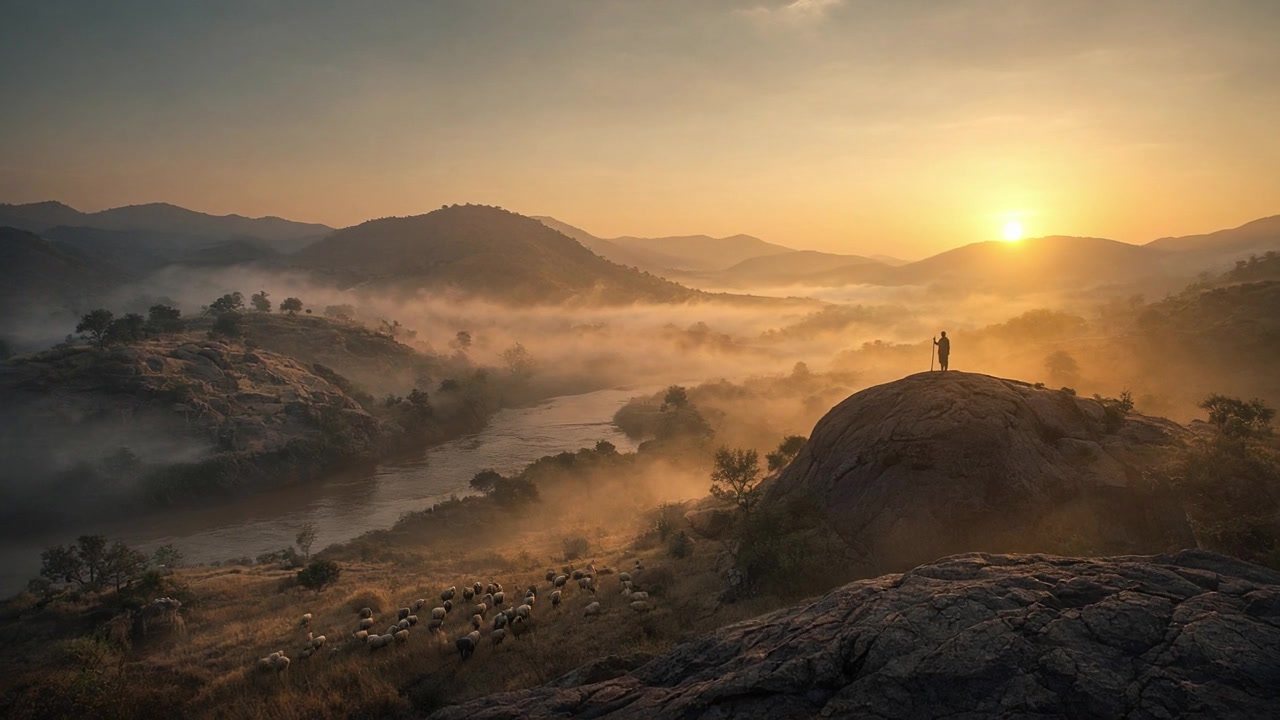
Hello viewers. Picture a granite hill rising out of the Deccan plateau at dawn. Mist curls along a slow brown river. A shepherd leads his flock up the rocks, and far below, the land stretches gold to the horizon.
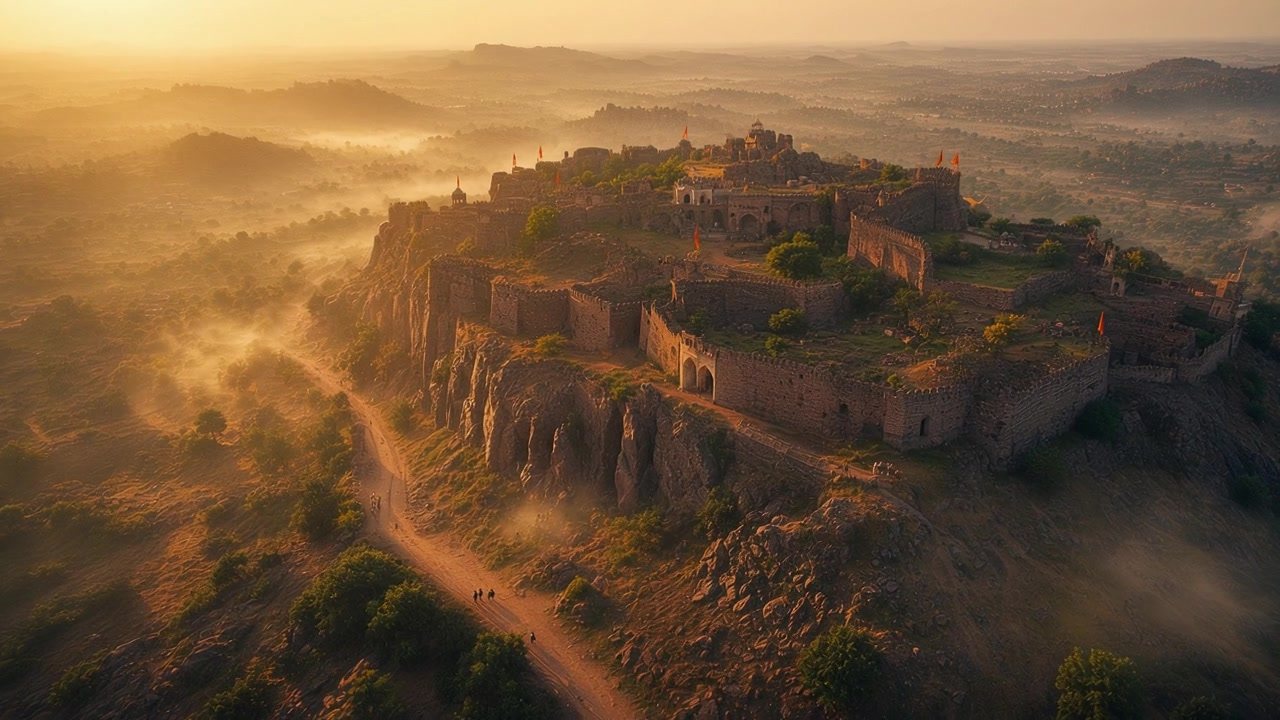
Nothing here looks like destiny. And yet on this hill, kings will build a fortress that guards the richest diamonds on Earth.
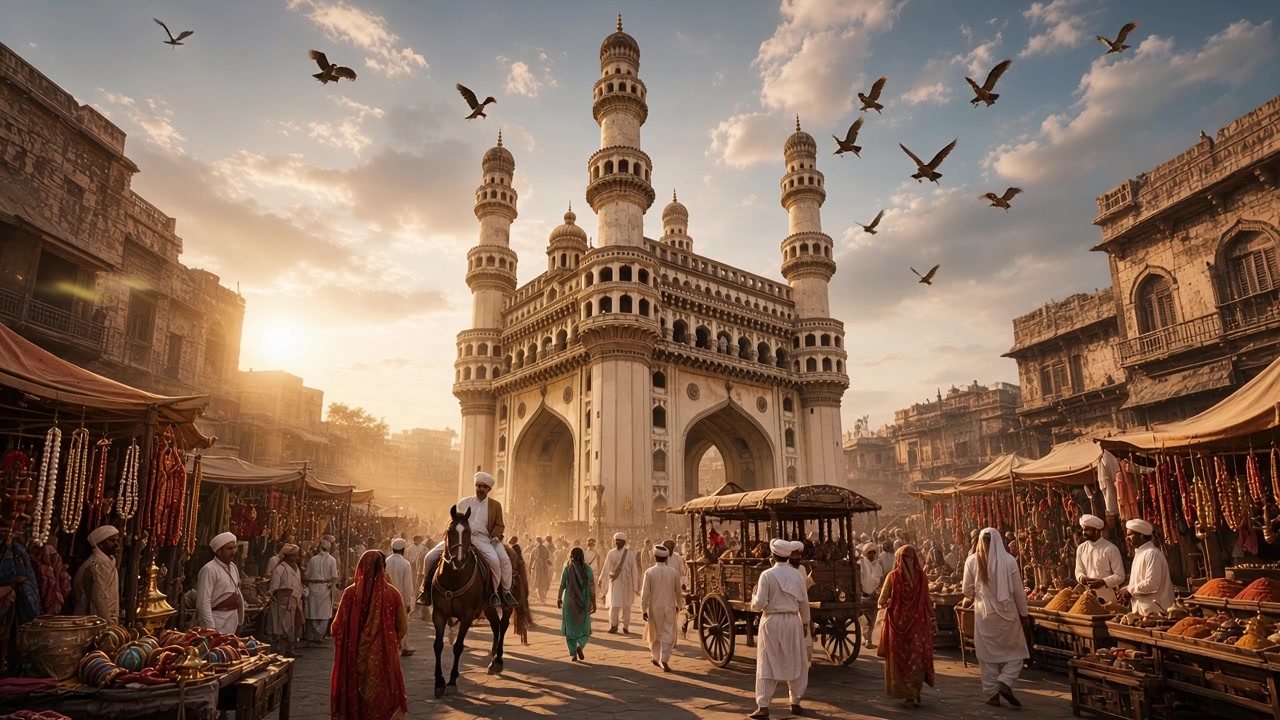
Beside this river, a sultan will raise a city of gardens and pearls.
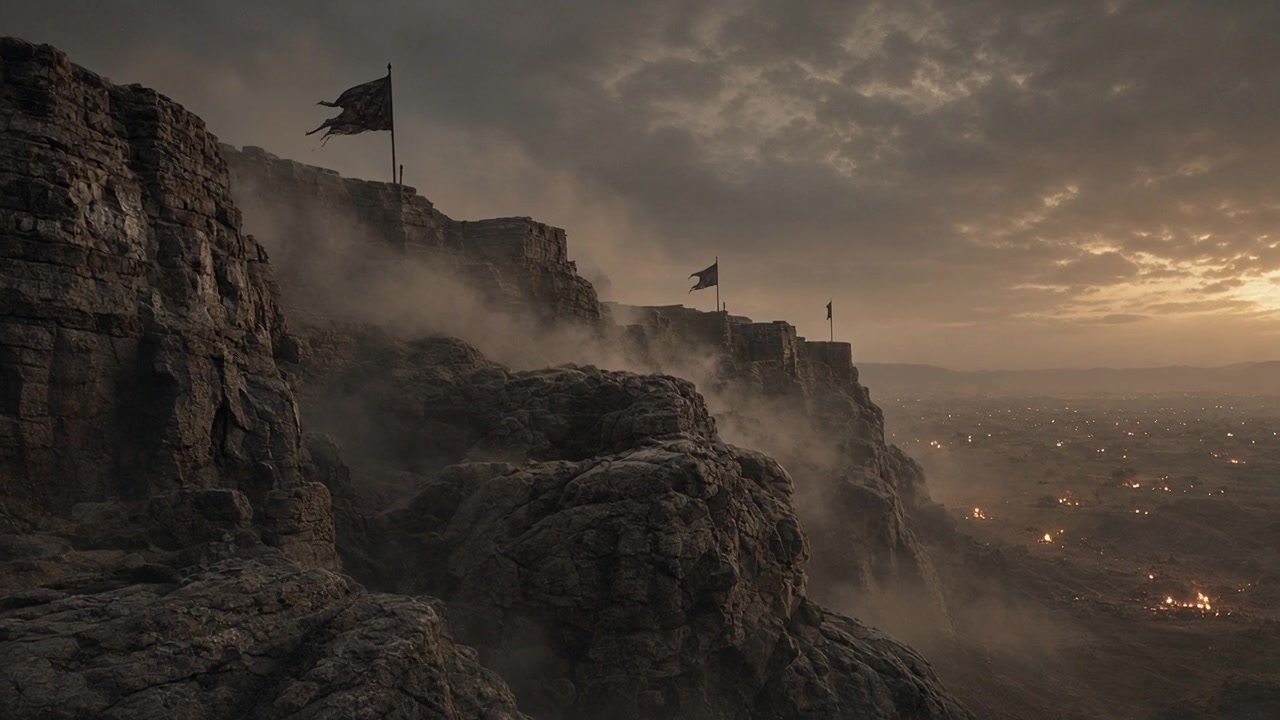
Empires will besiege it, floods will drown it,
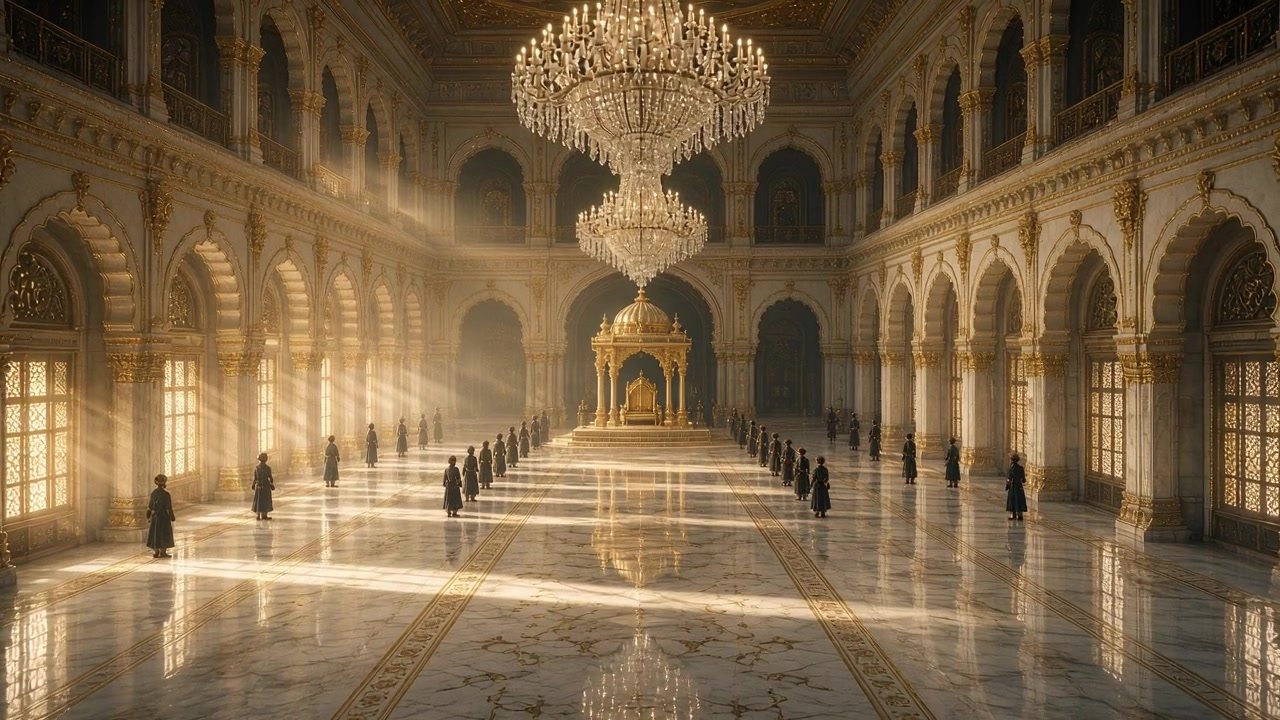
and fortunes beyond imagining will be counted in its palaces.
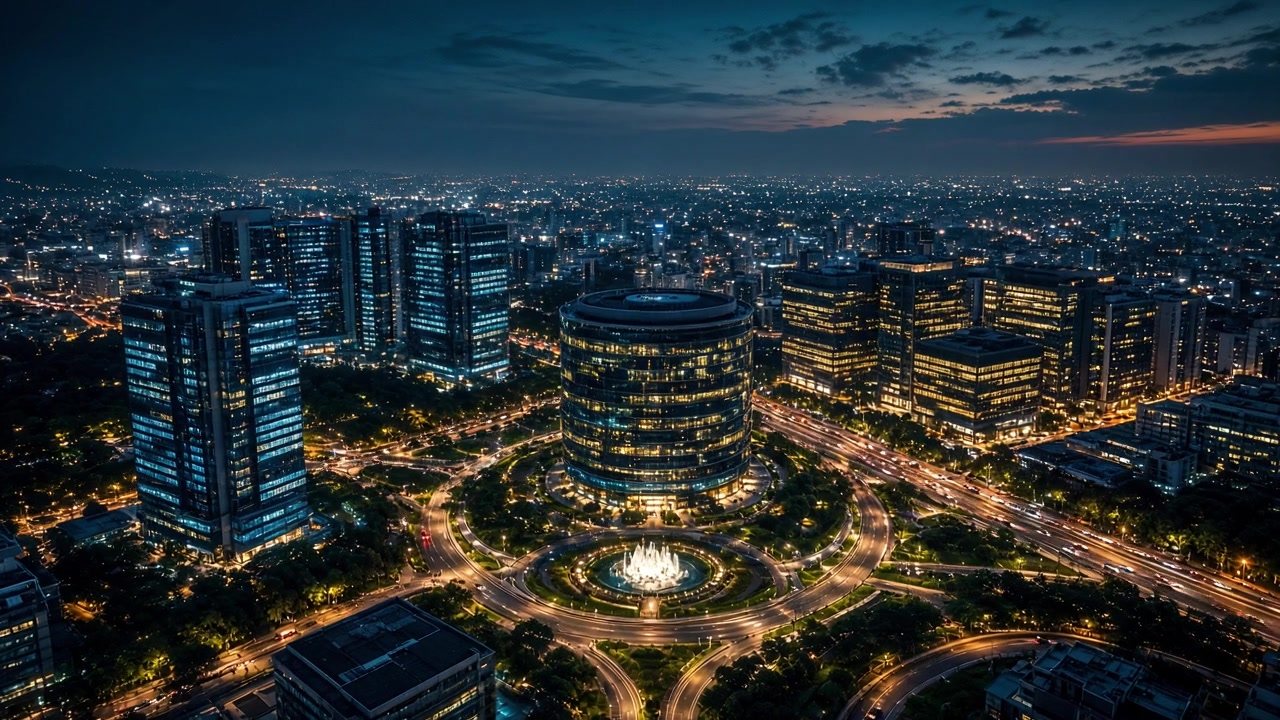
Today, it is home to more than ten million people, and it writes software for the whole world. This is the story of Hyderabad. Four centuries of romance, ruin and reinvention, told the way it deserves to be told.
Film time 0:50
The Shepherd's Hill: Kakatiyas and Golconda
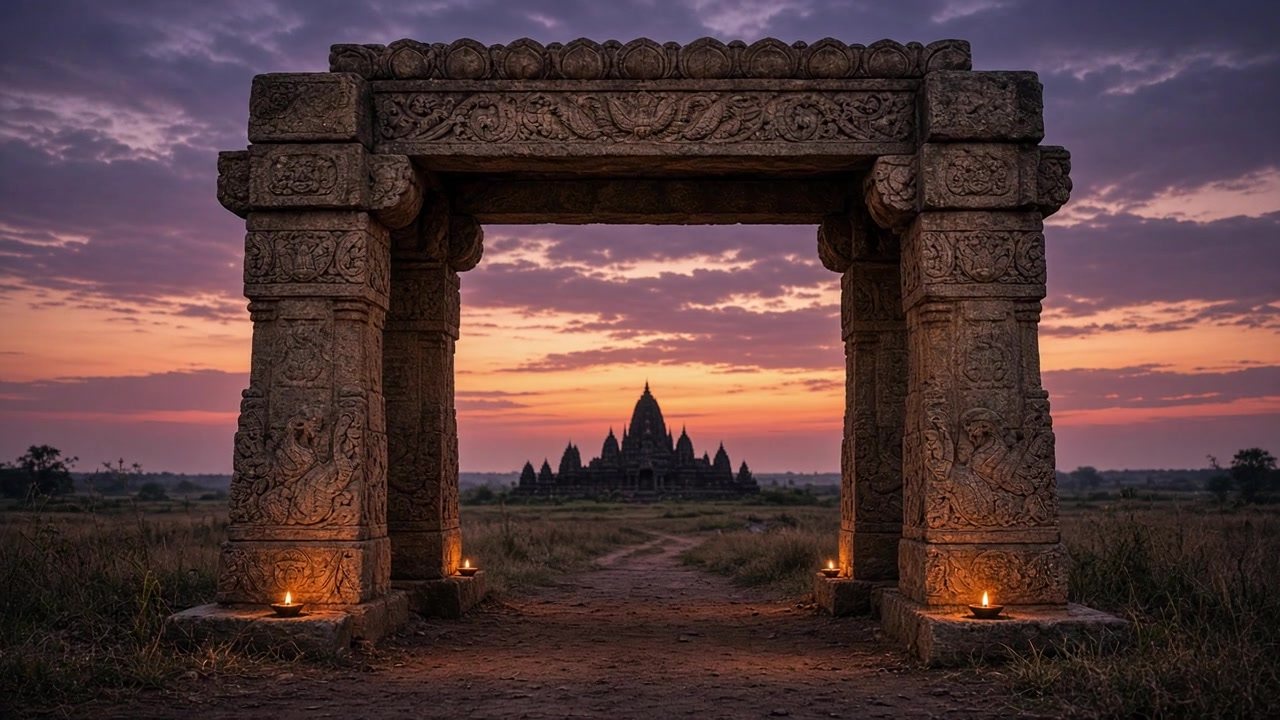
Our story begins long before the city itself. In the twelfth century, the Kakatiya kings ruled from Warangal,
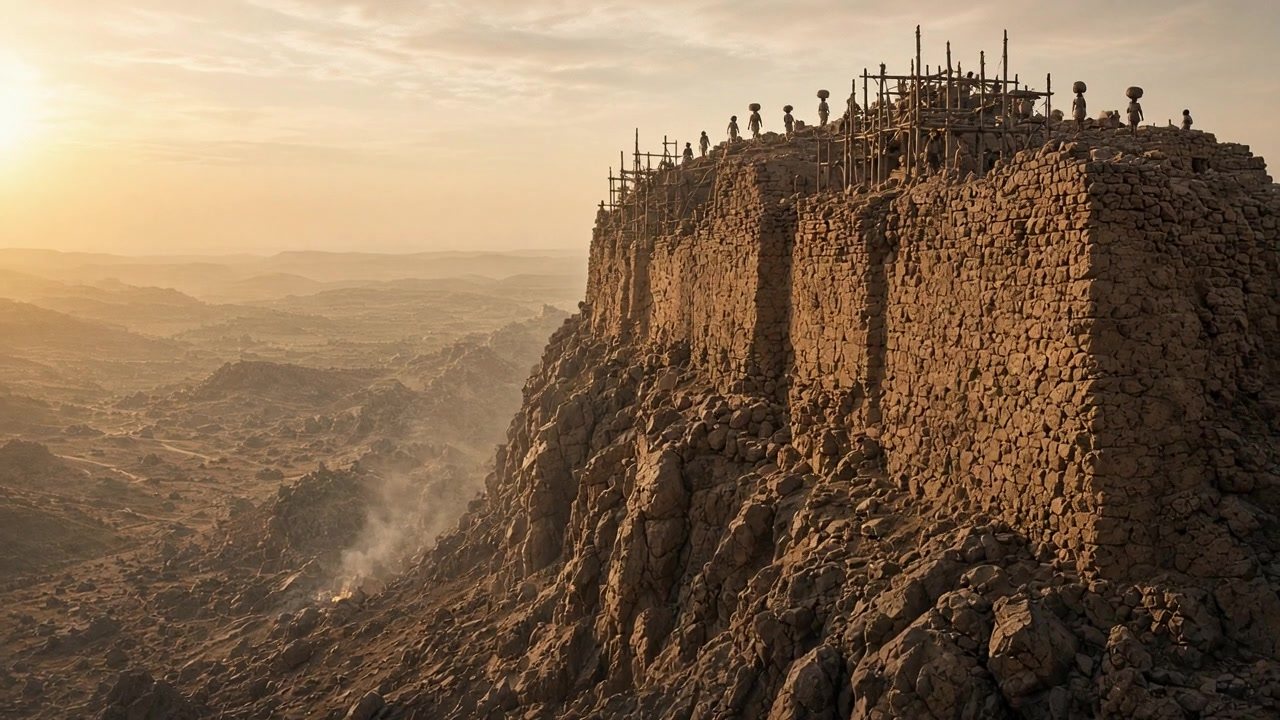
and on that lonely granite hill they built a mud fort to guard their western frontier.
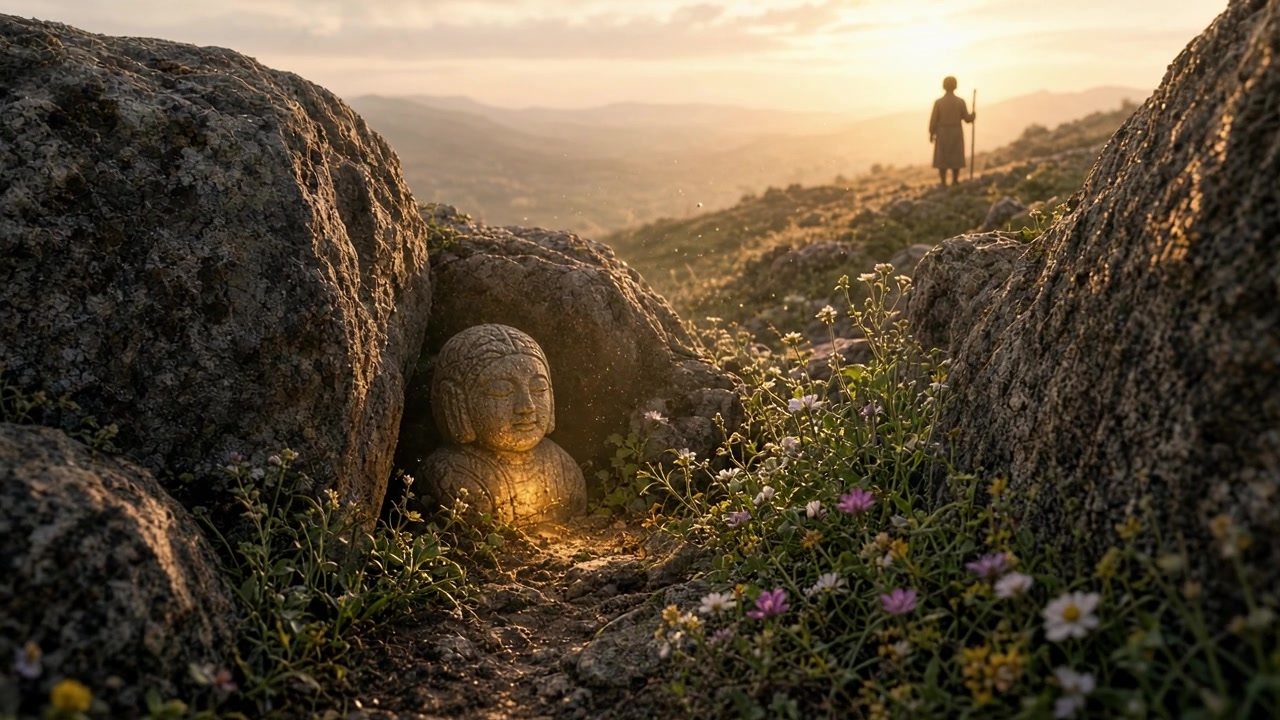
Legend says a shepherd boy found a sacred idol among the rocks, and the place became Golla Konda, the shepherd's hill. Whether or not the shepherd was real, the name stuck. Golconda.
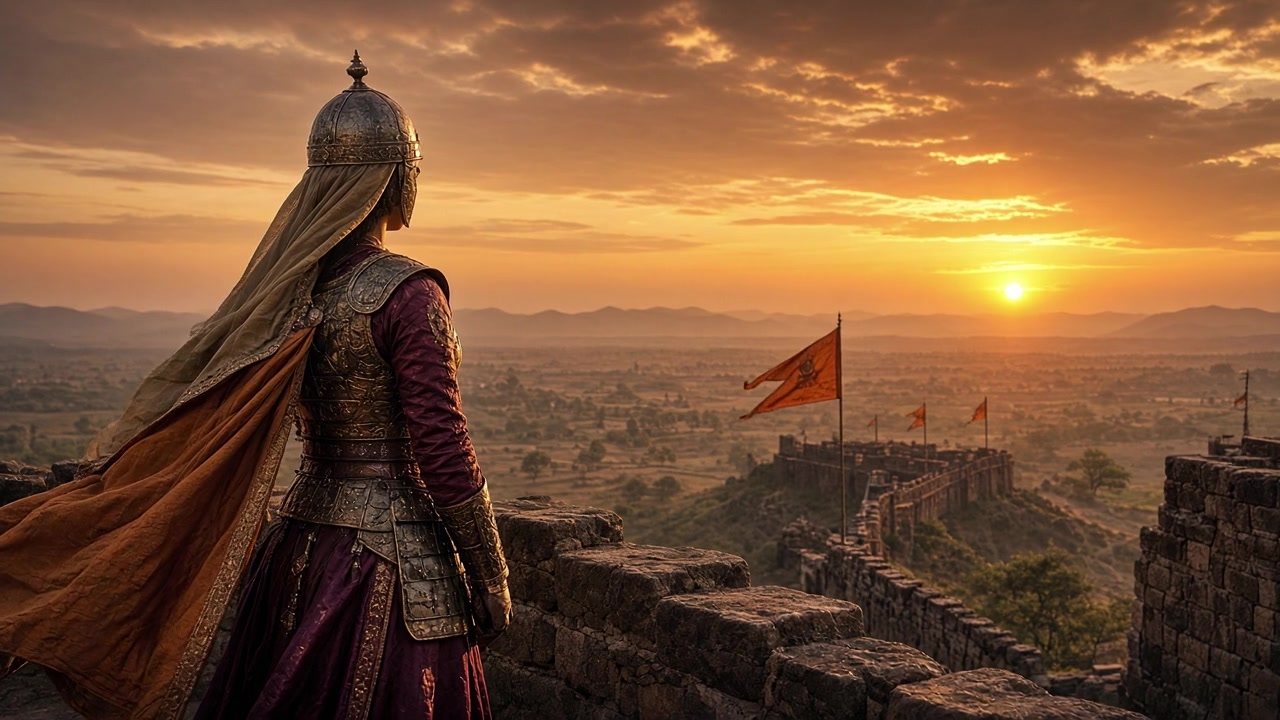
Warrior queen Rudrama Devi and her grandson Prataparudra strengthened the walls.
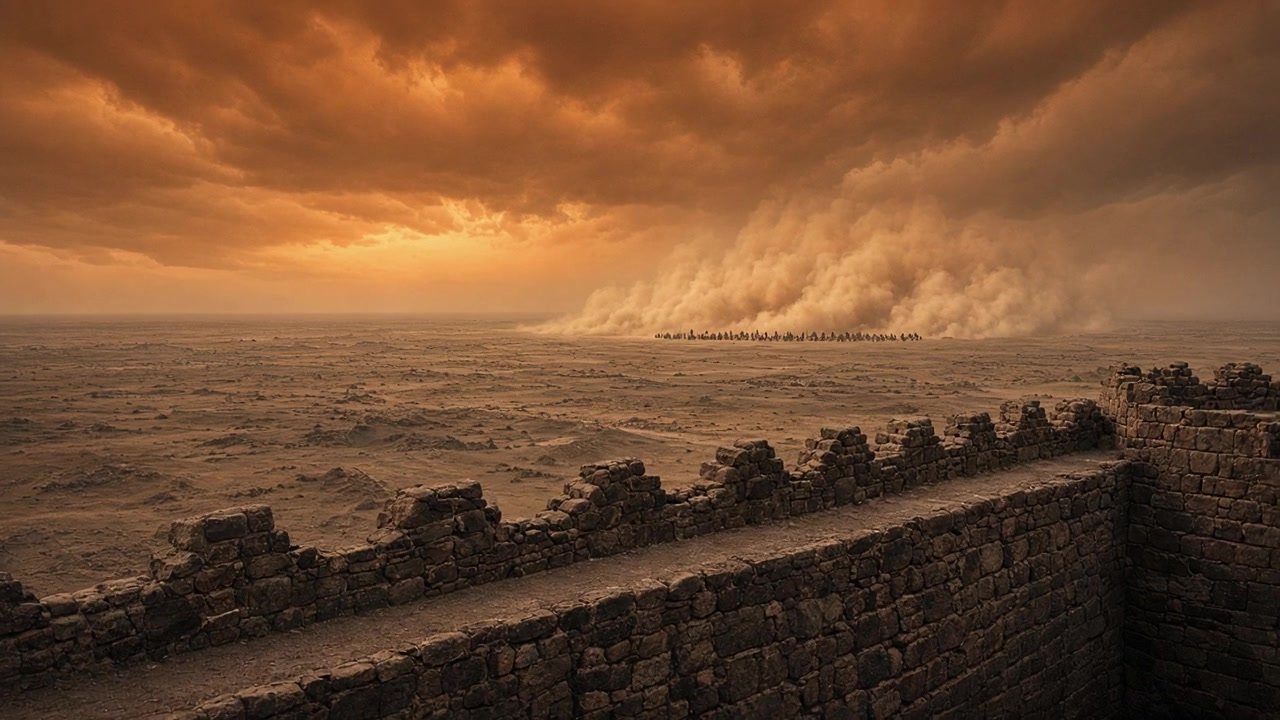
But in the early thirteen hundreds, armies from the Delhi Sultanate swept south, and the Kakatiya world collapsed.
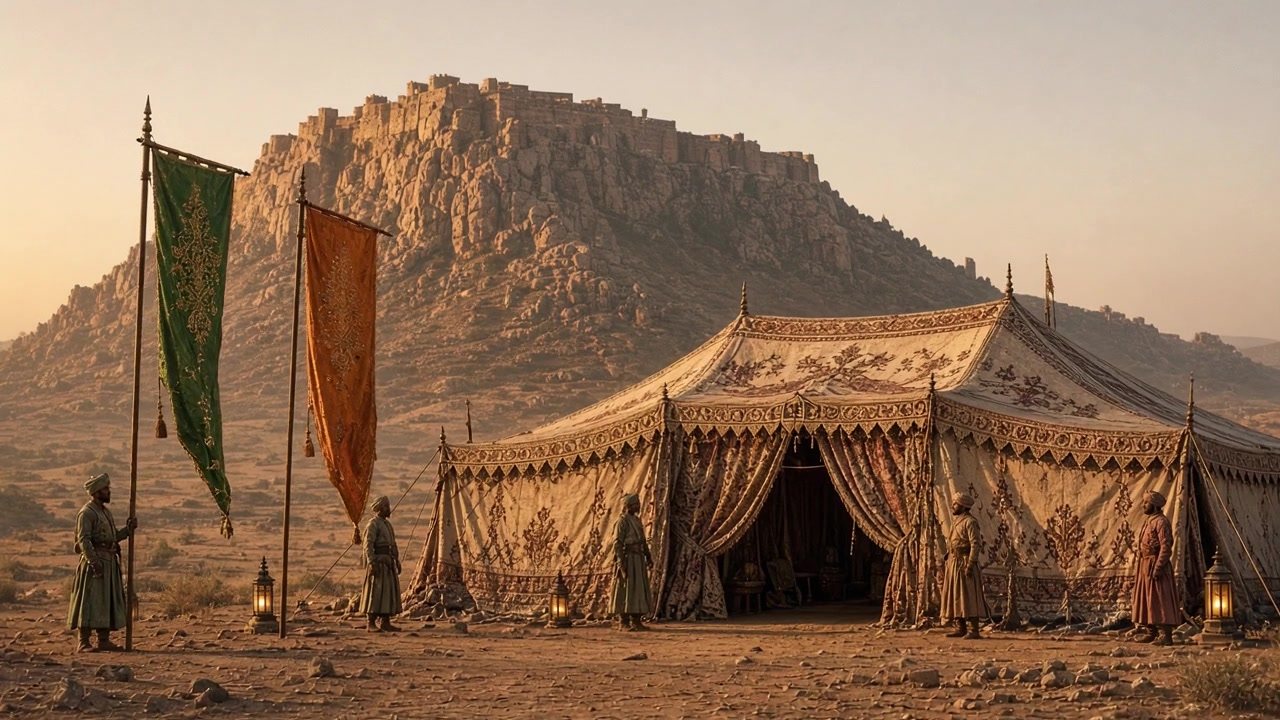
Local chiefs, the Musunuri Nayaks, fought back, and in 1364 they handed Golconda to a rising Deccan power, the Bahmani Sultanate. The little mud fort was about to become something far greater.
Film time 1:37
Sultans of Golconda: the Qutb Shahis
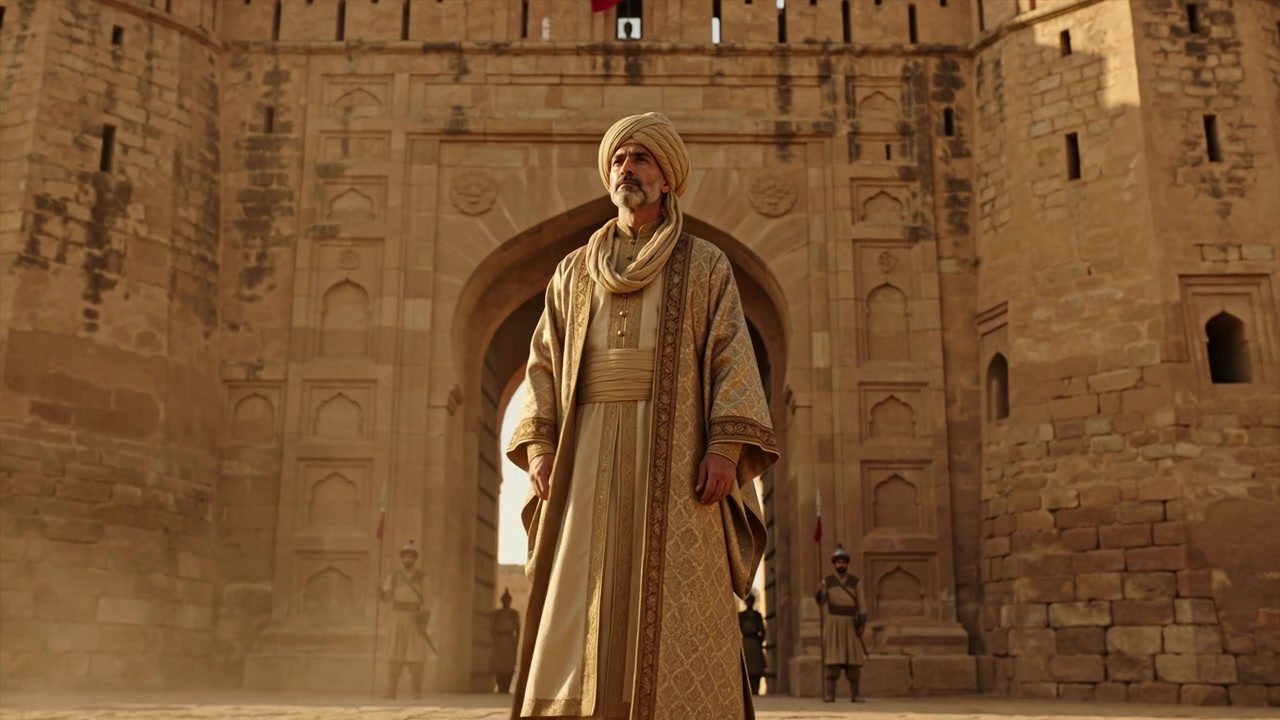
Enter Sultan Quli, a Turkmen noble who had travelled from Persia to serve the Bahmani kings.
Sent to govern Telangana, he made Golconda his base, and when the Bahmani kingdom splintered in the early sixteenth century, he stepped out as a sultan in his own right. The Qutb Shahi dynasty was born.
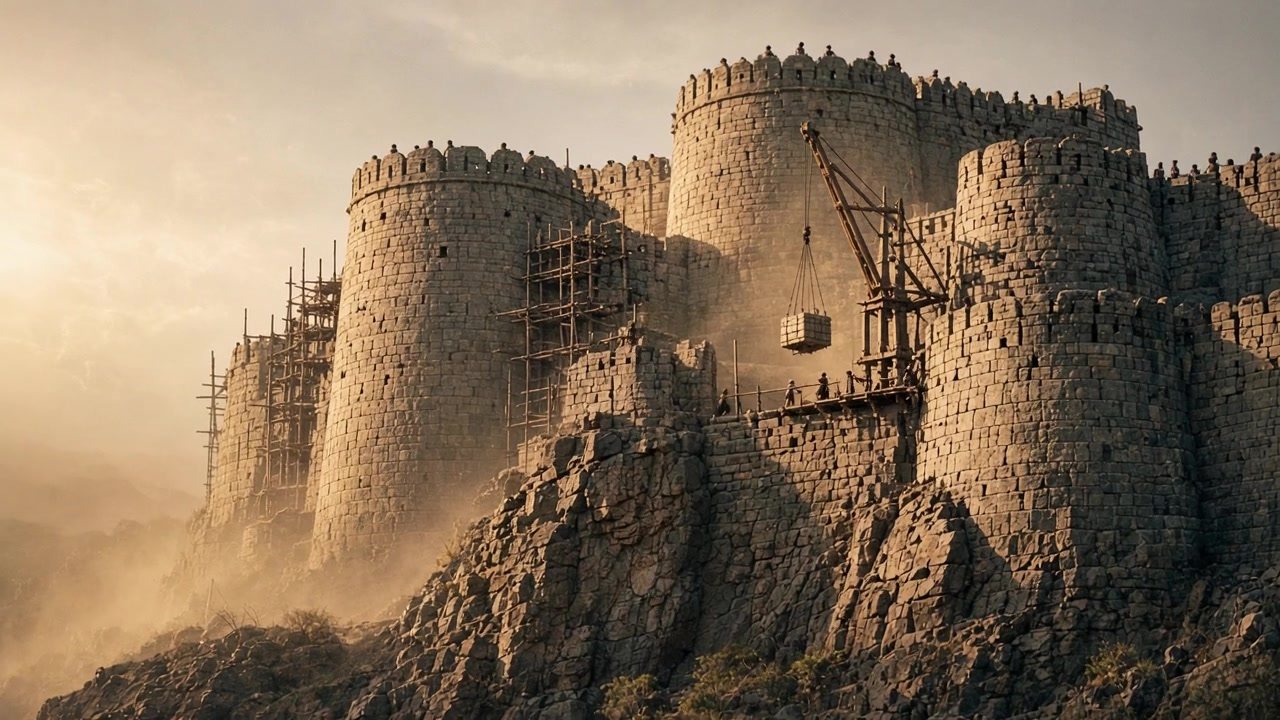
Over three generations, the mud walls became granite. Eighty seven bastions.
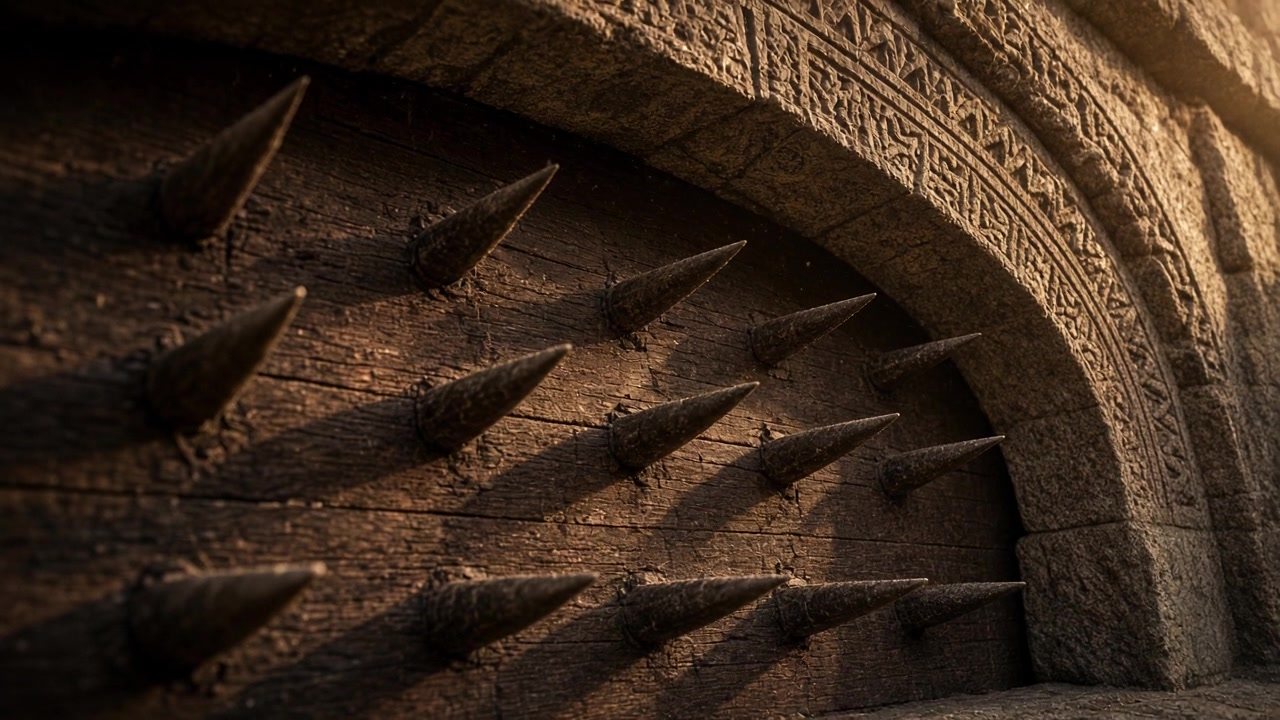
Massive gates studded with iron spikes to stop war elephants.
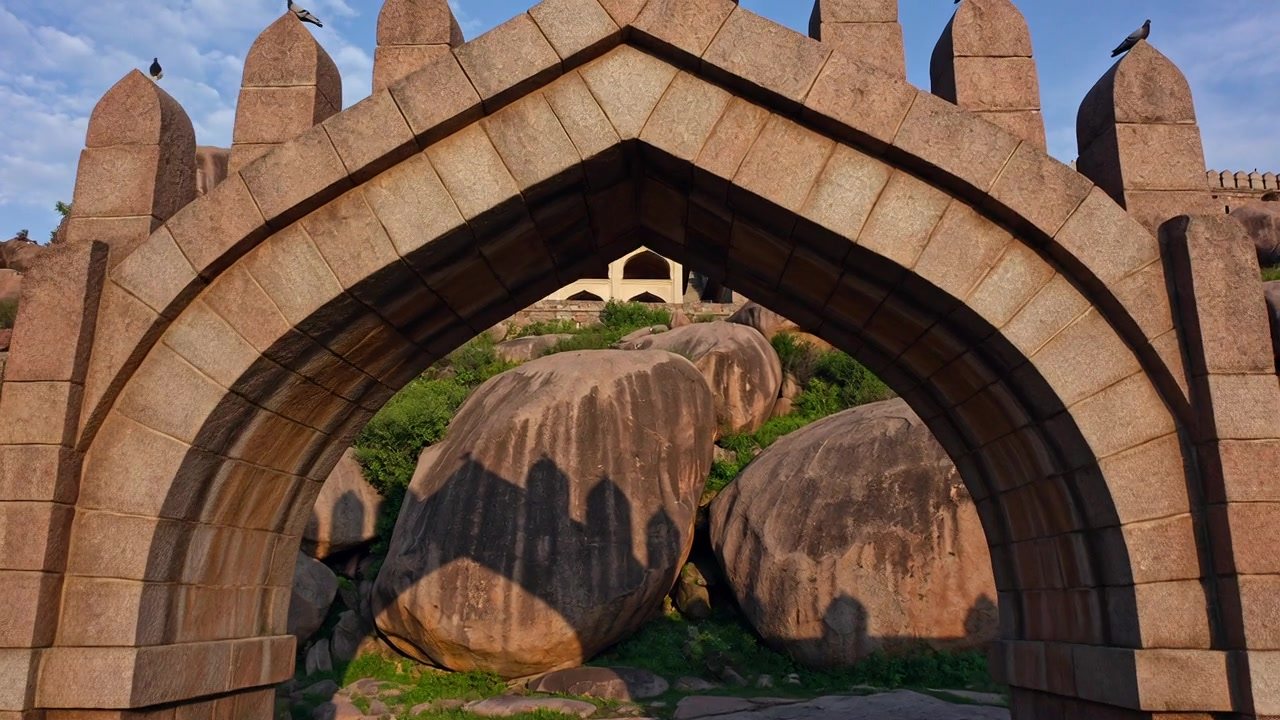
And a clever acoustic trick: it is said that a single hand clap beneath the main gate could be heard at the palace on the summit, almost a kilometre away.
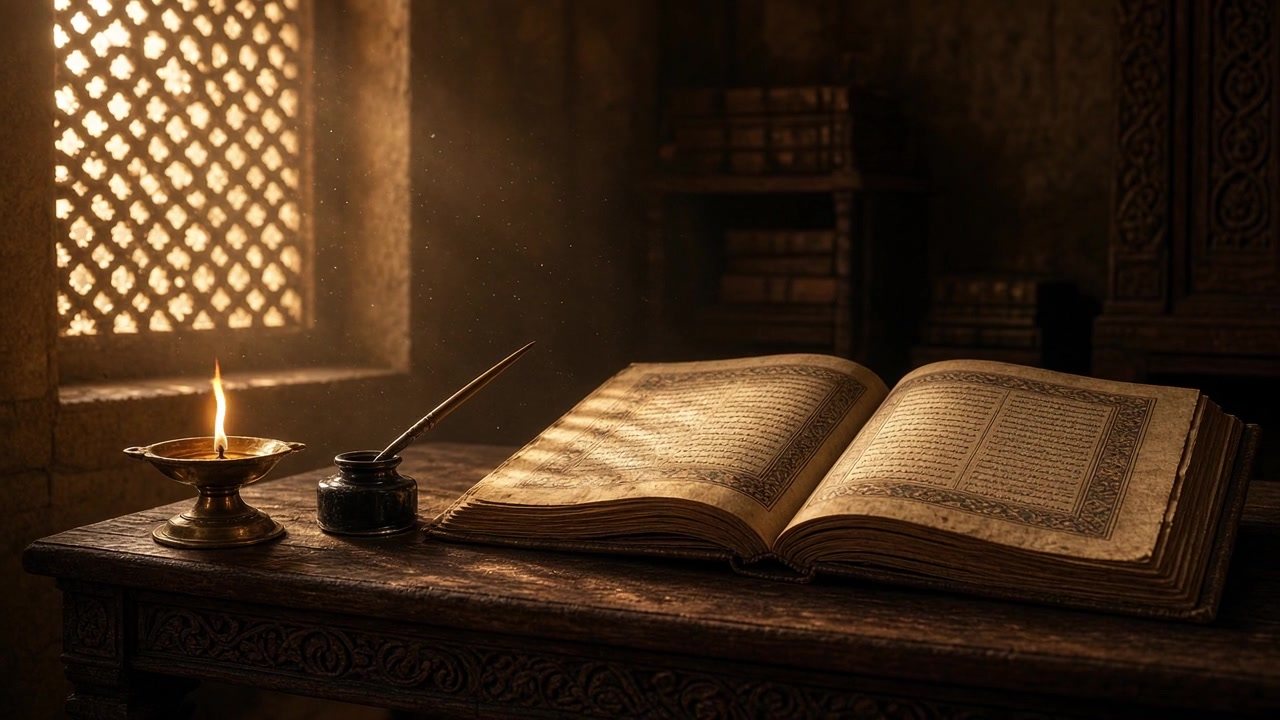
These sultans were builders and poets. They spoke Persian at court, wrote verse in Dakhni, honoured Telugu culture, and filled their markets with steel, painted cotton and, above all, diamonds.
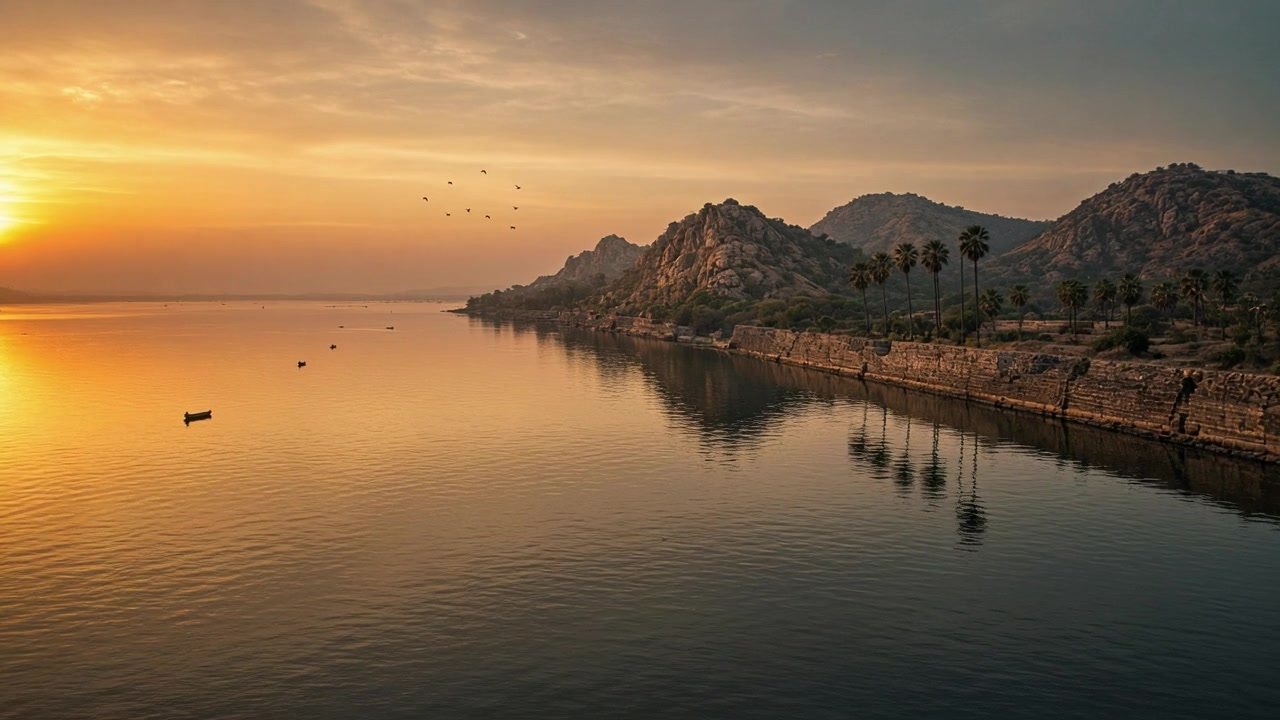
The fourth sultan, Ibrahim, even had a great lake dug to water the land, named Hussain Sagar after the saint who helped design it. More than four hundred years later, that lake still shines at the heart of the city.
Film time 2:35
The Diamond Bazaar
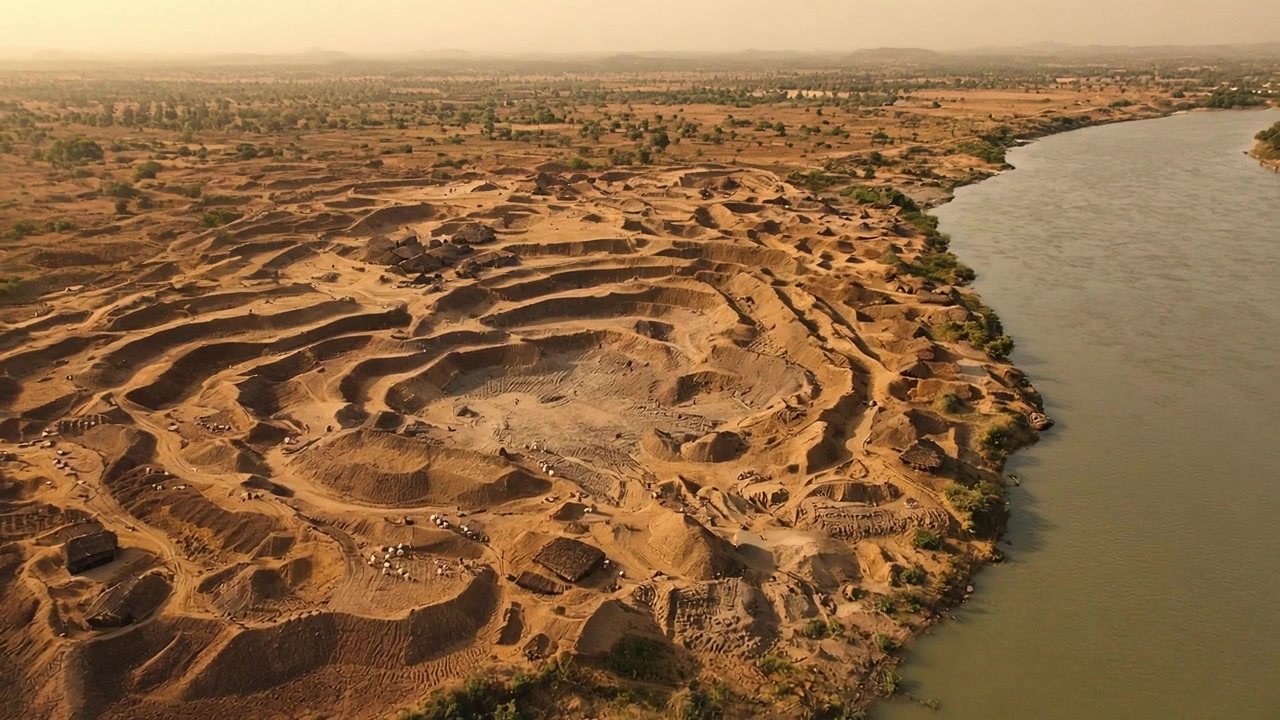
Golconda did not dig diamonds. It did something smarter. It traded them. Down by the Krishna river, at mines like Kollur, tens of thousands of workers sifted gravel under the burning sun.
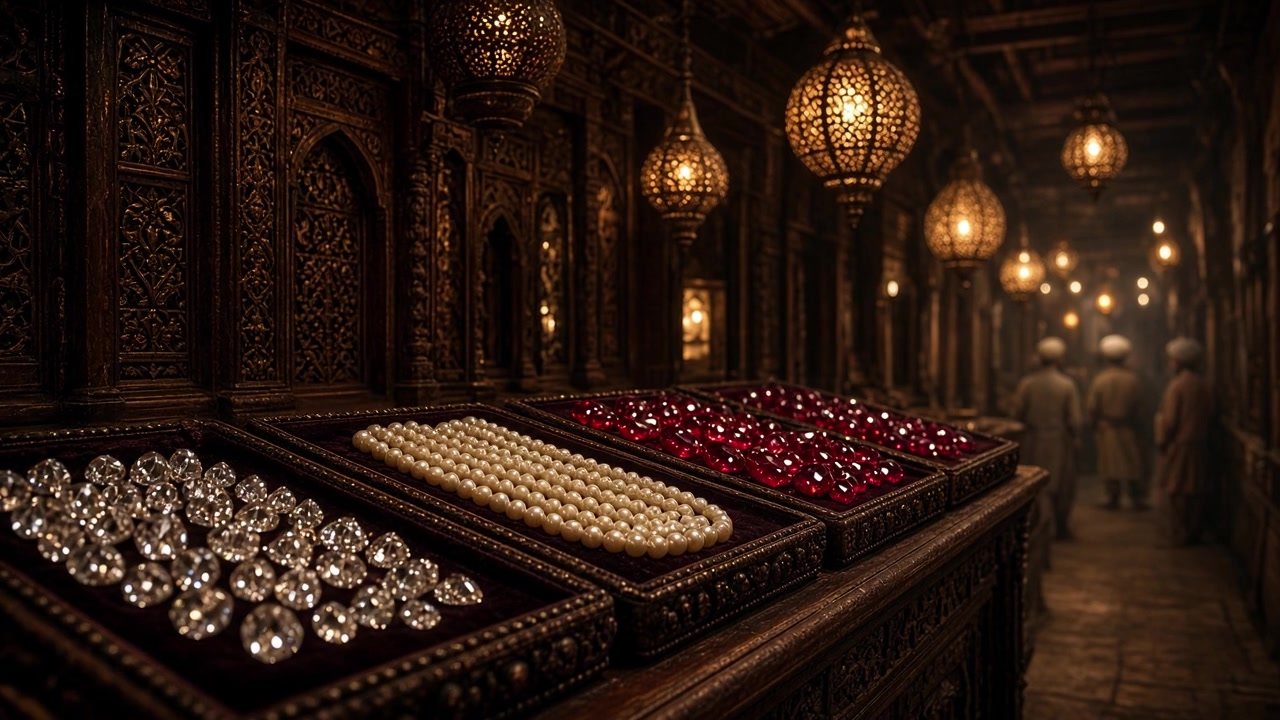
The rough stones travelled to Golconda, where cutters and merchants turned them into legends.

European traveller Jean Baptiste Tavernier came to buy, and he carried away a great blue stone that became the Hope Diamond.
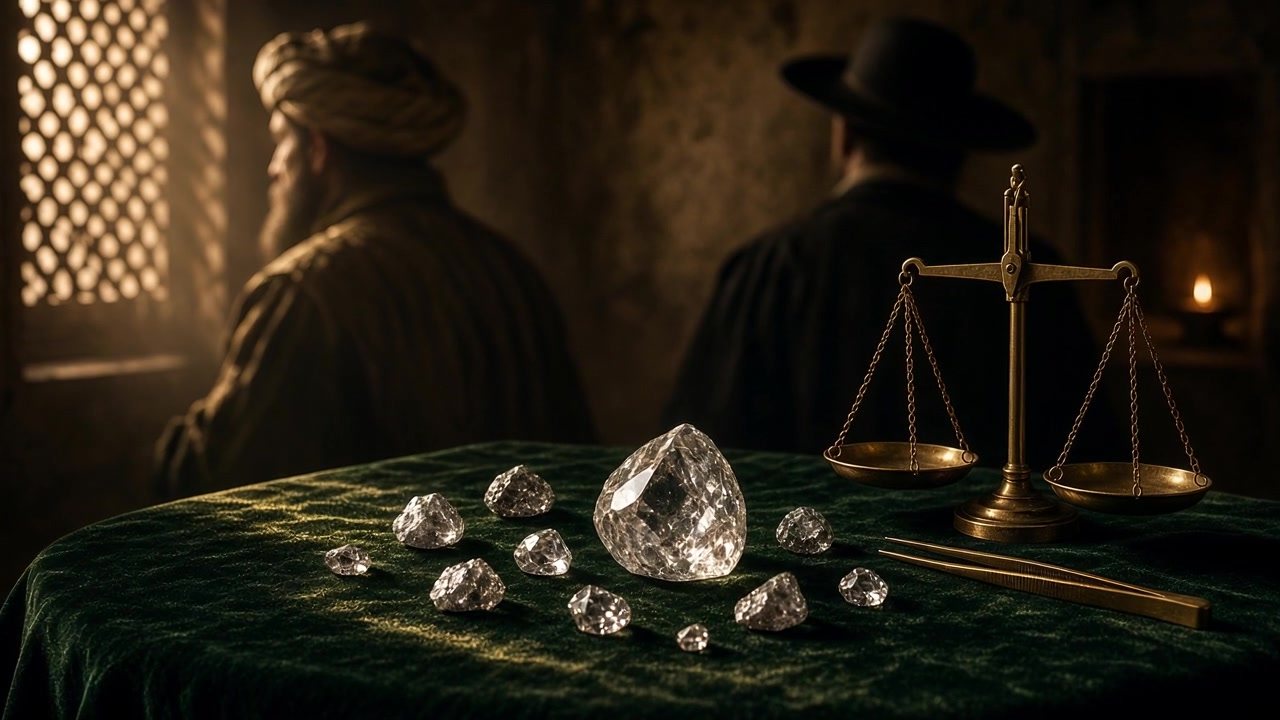
The Regent. The Darya i Noor. The Orlov.

Even the Koh i Noor, the Mountain of Light, is traditionally linked to these mines, though its true origin is still debated.

For centuries, the word Golconda meant one thing in every language of Europe. A treasure beyond counting.
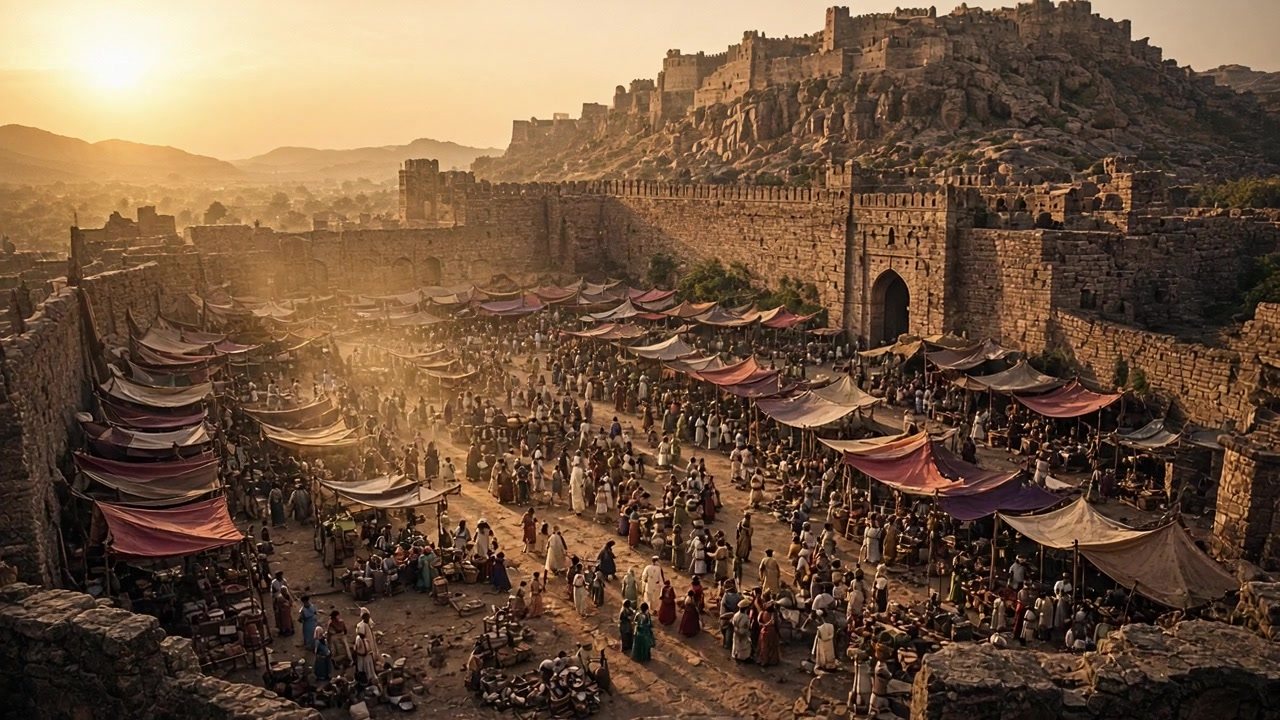
Picture the scene. Merchants from Persia, Arabia, Portugal and Holland crowding into Golconda's bazaars, haggling in a dozen languages over stones that would one day sit in the crowns of kings and queens across the world.
Film time 3:26
A City of Gardens: Muhammad Quli and the Charminar
By the late fifteen hundreds, Golconda was bursting. Too many people, too little water.
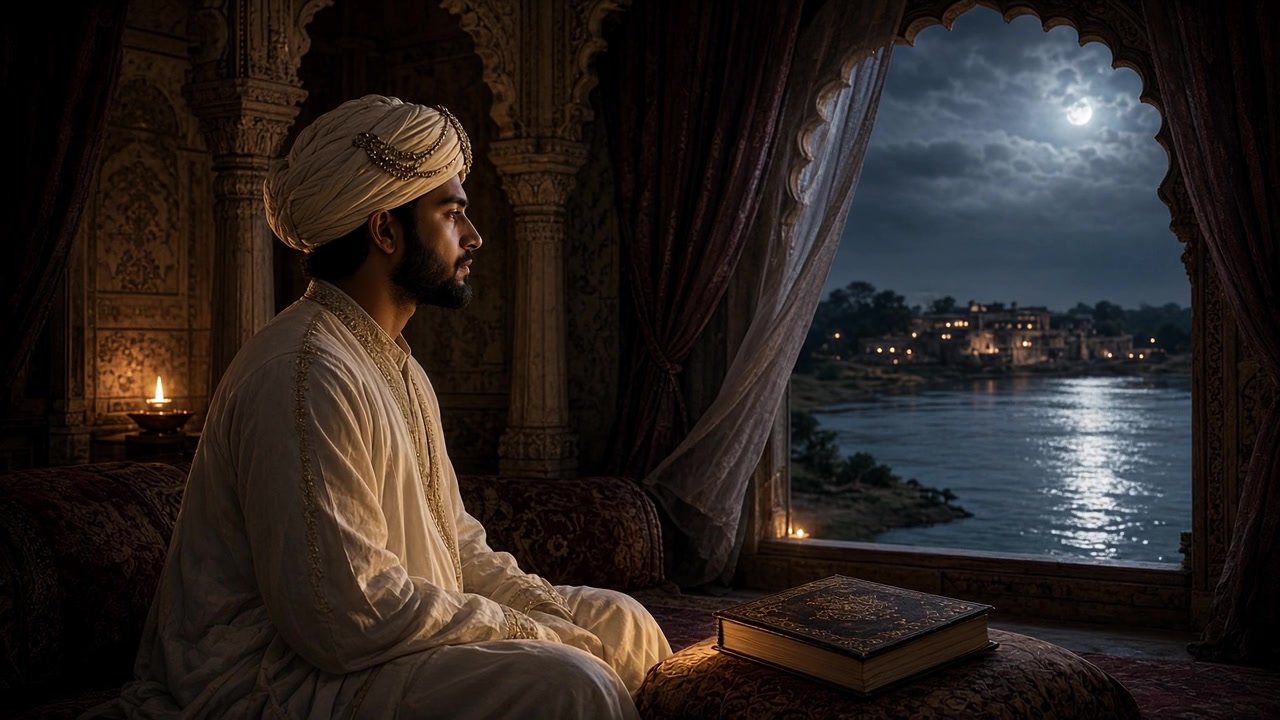
So the fifth sultan, Muhammad Quli Qutb Shah, a poet king who wrote love verse in Dakhni, looked across the Musi river and imagined something new.
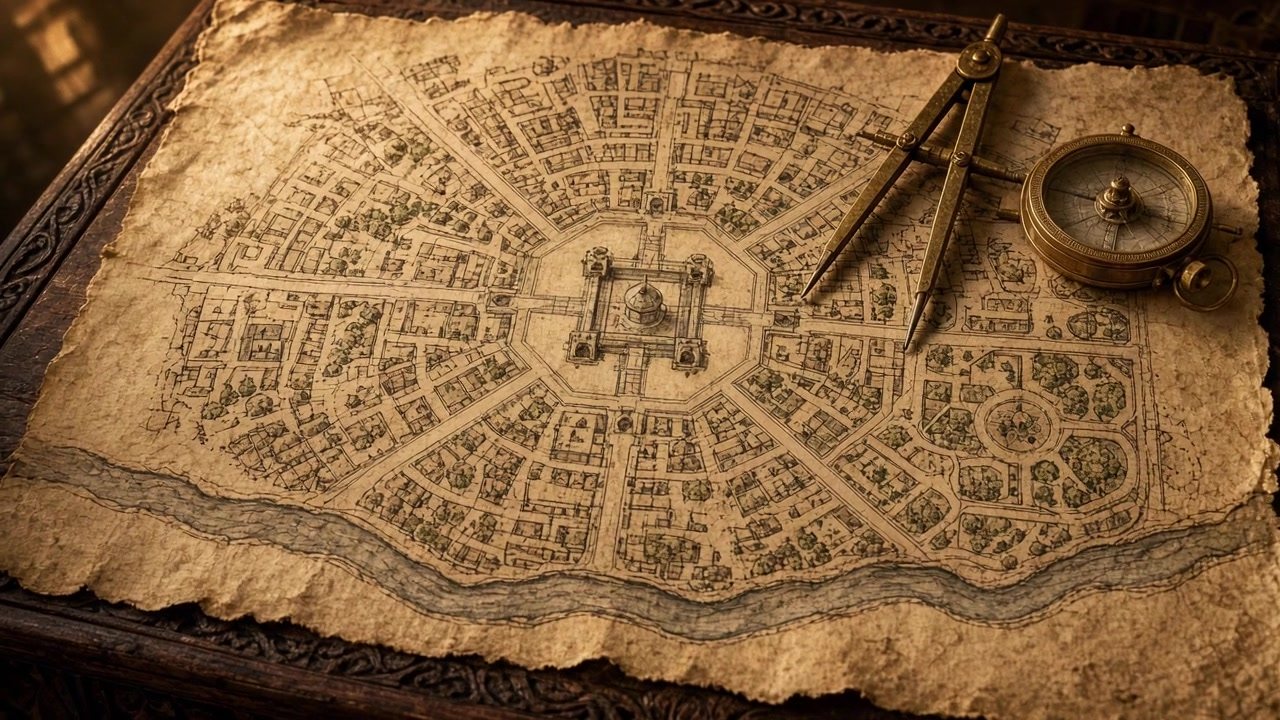
Around 1591 he founded a planned city on its banks, laid out by his brilliant prime minister, Mir Momin.
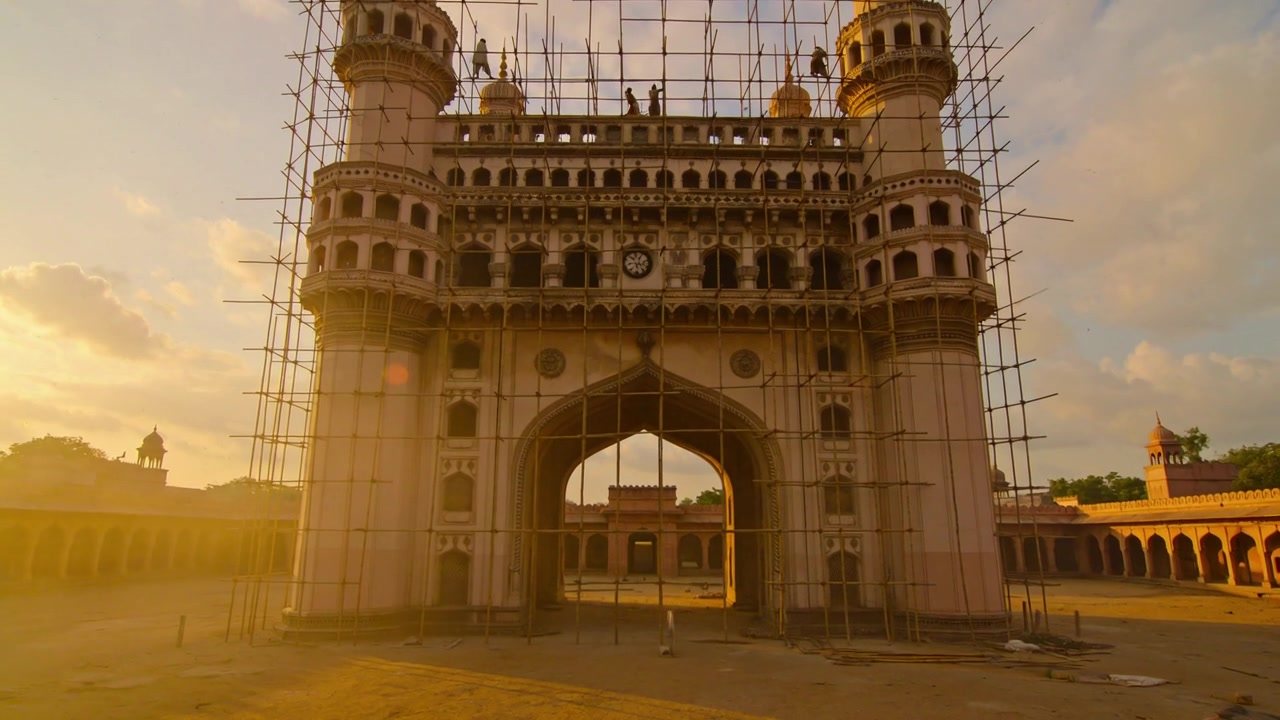
At its heart rose the Charminar. Four soaring arches, four slender minarets, facing the four directions of the world.
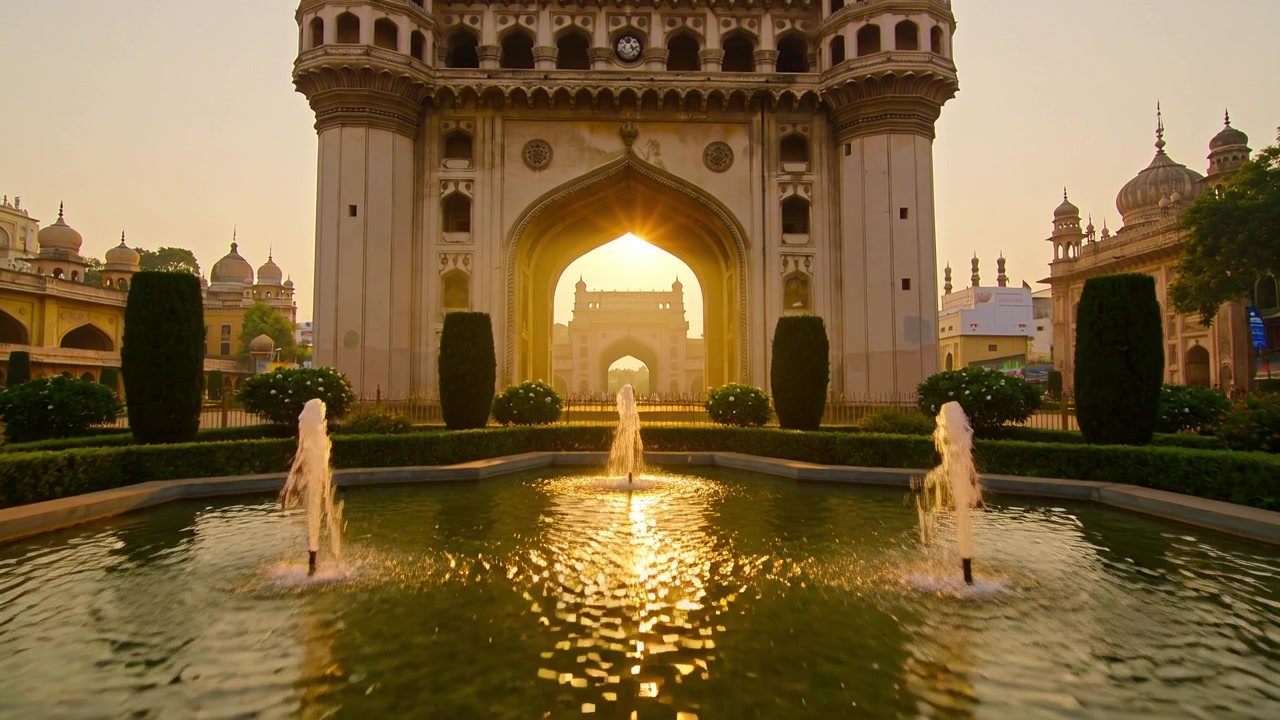
Tradition holds that the sultan built it to give thanks for the end of a deadly plague.
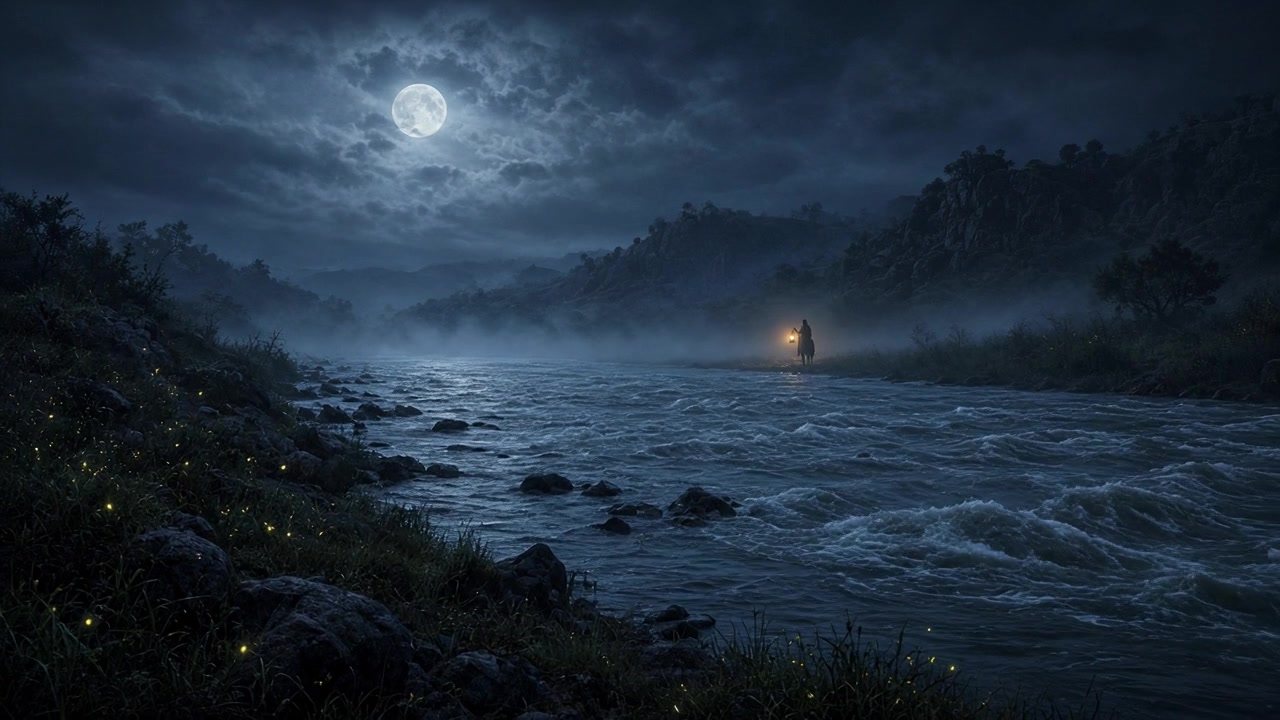
And then there is the most romantic story of all. Legend says the young prince once crossed the flooded Musi on horseback to meet Bhagmati, a village dancer he loved,
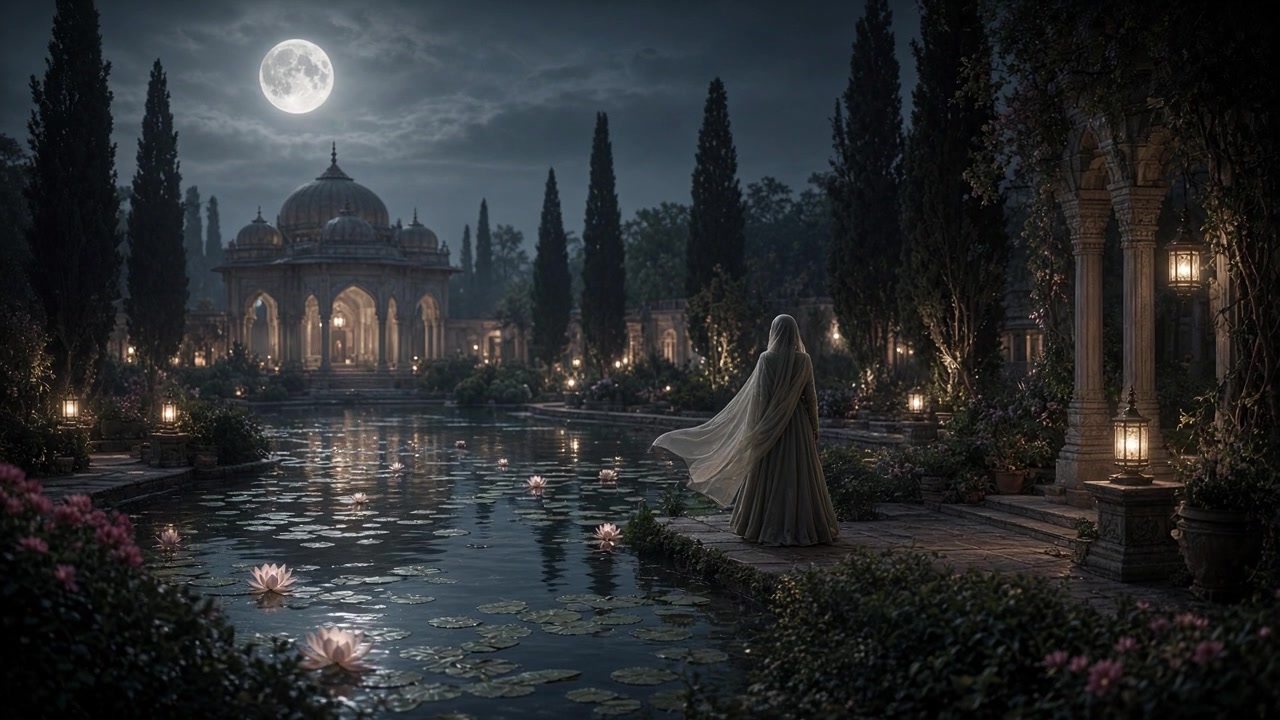
and that he named the city Bhagyanagar in her honour, later Hyderabad. It is a beautiful tale, but historians caution that there is no firm evidence for it.
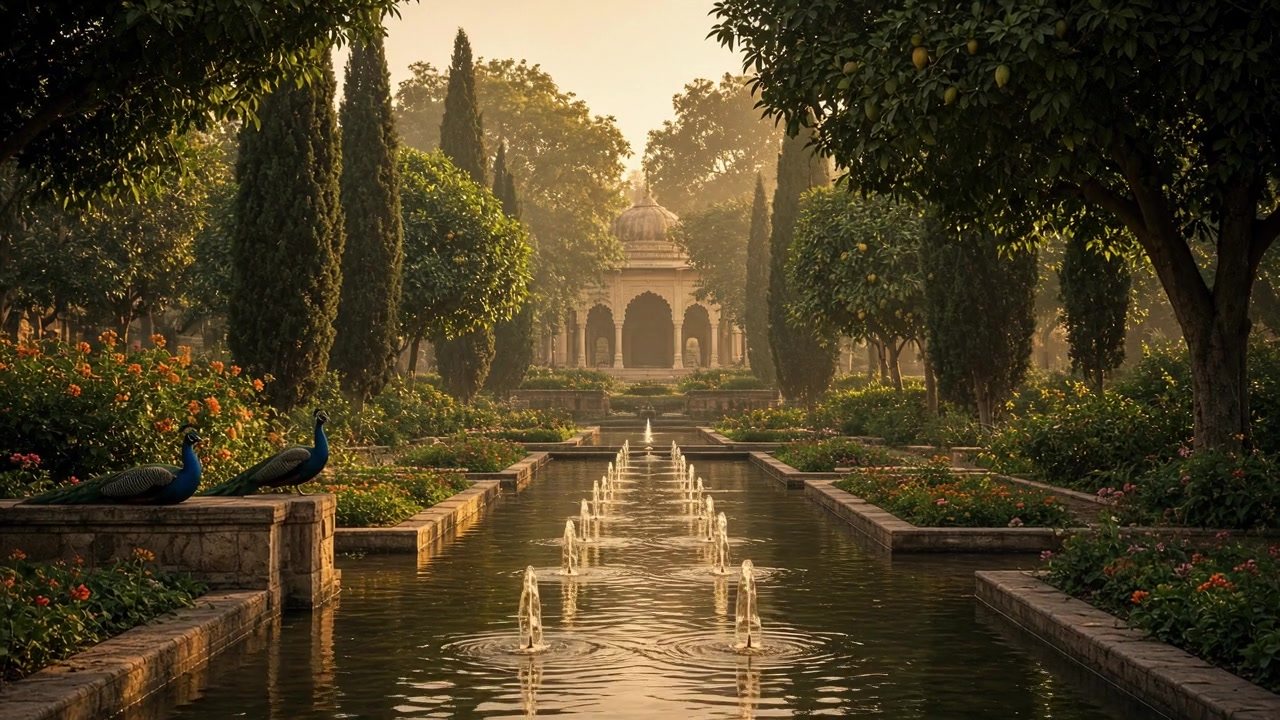
Whatever its origin, Hyderabad bloomed. Gardens, fountains, palaces, and bazaars that glittered with pearls.
Film time 4:25
The Siege of Golconda, 1687
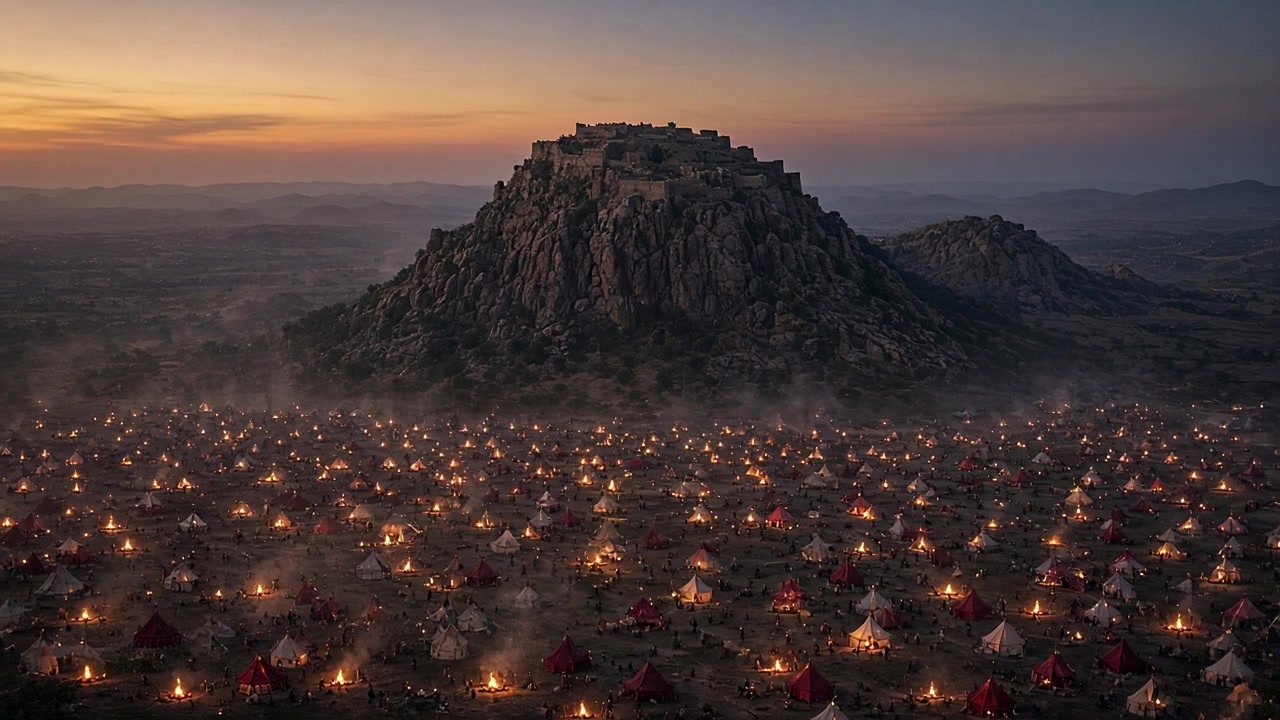
Such wealth could not hide forever. To the north, the Mughal emperor Aurangzeb wanted the Deccan, and Golconda was the crown jewel.
In 1687 his armies surrounded the fortress.
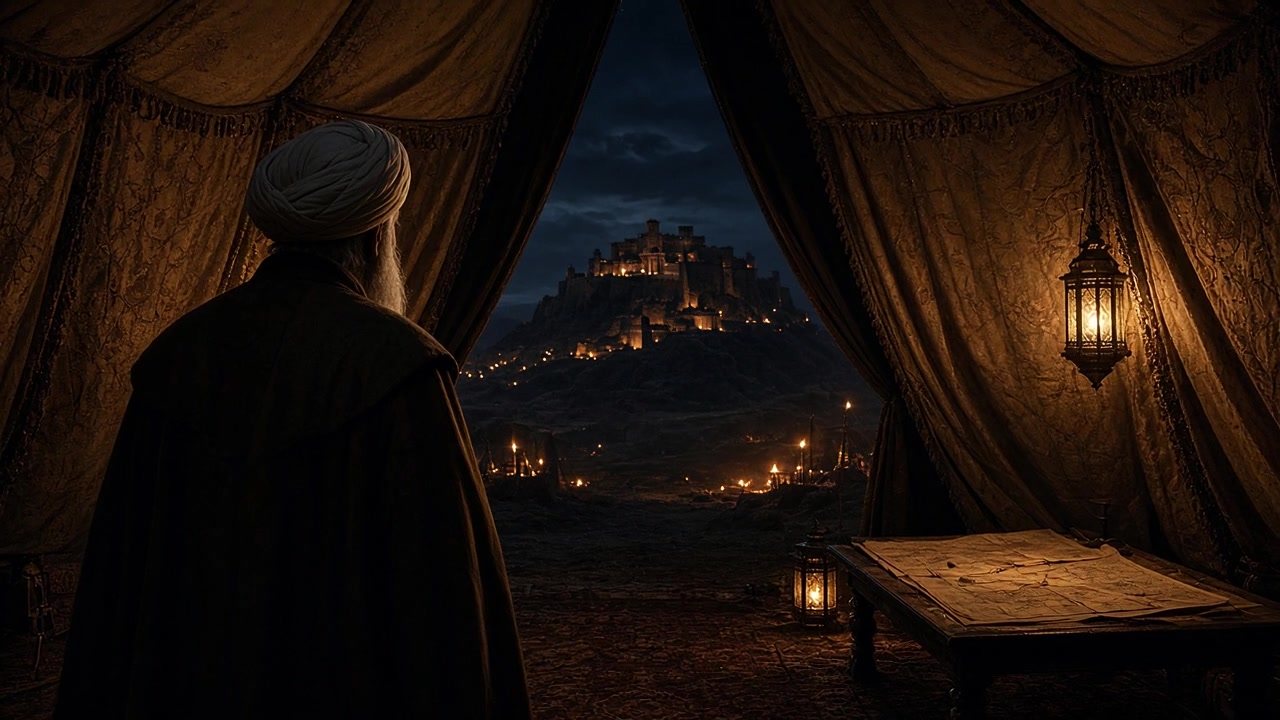
The last sultan, Abul Hasan, remembered as Tana Shah, refused to surrender. Month after month the walls held.
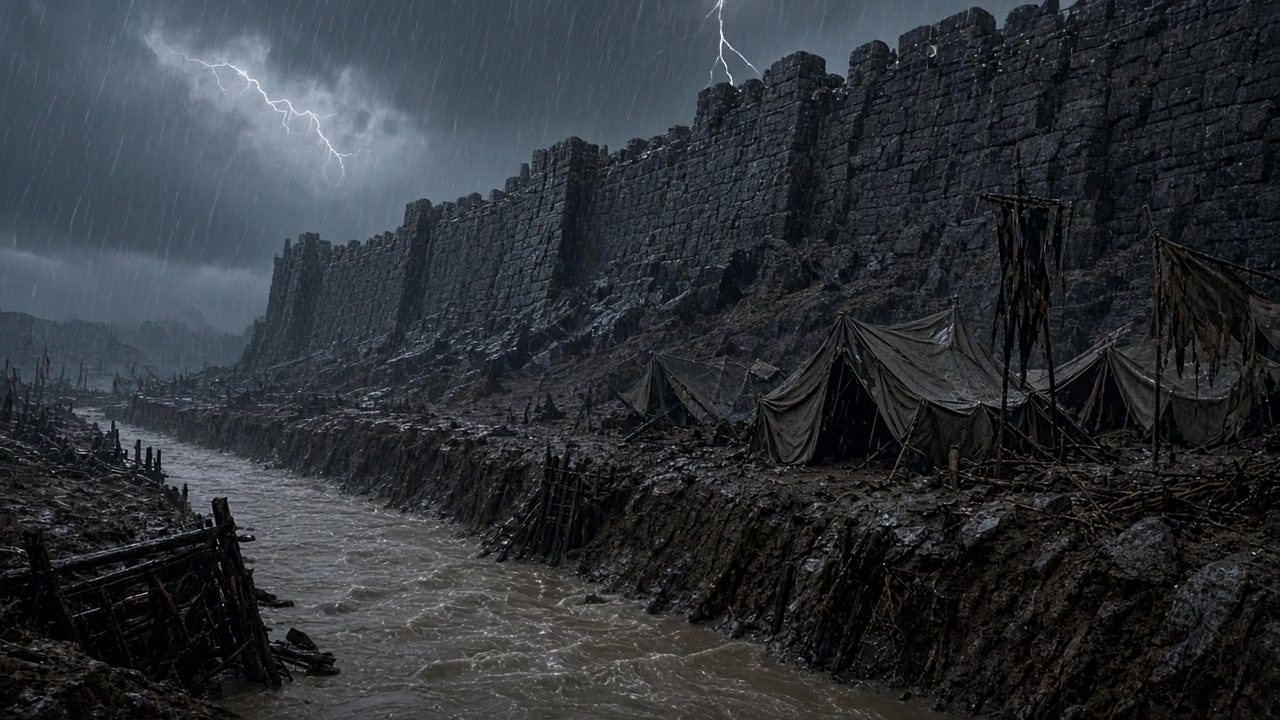
Monsoon rains flooded the Mughal trenches, famine and disease swept the camp, and mines dug under the ramparts blew back on the attackers. For about eight months Golconda stood.
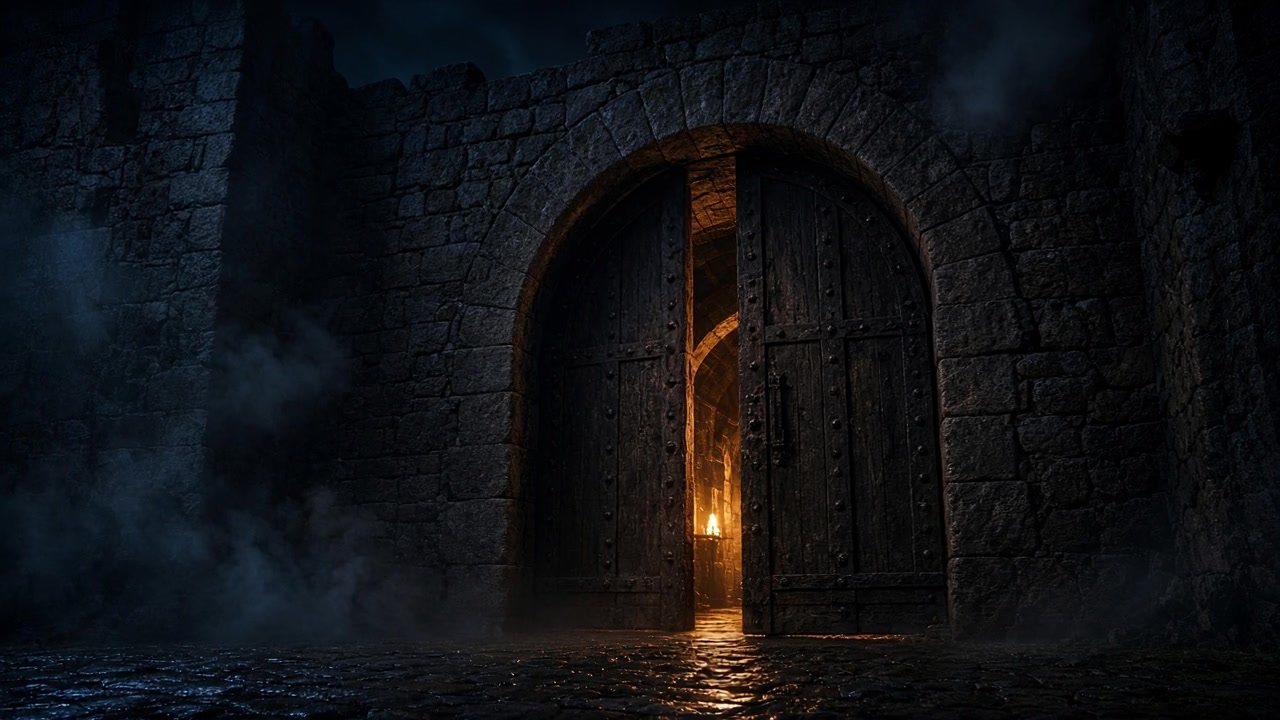
Then, tradition says, one night a bribed officer opened a gate.
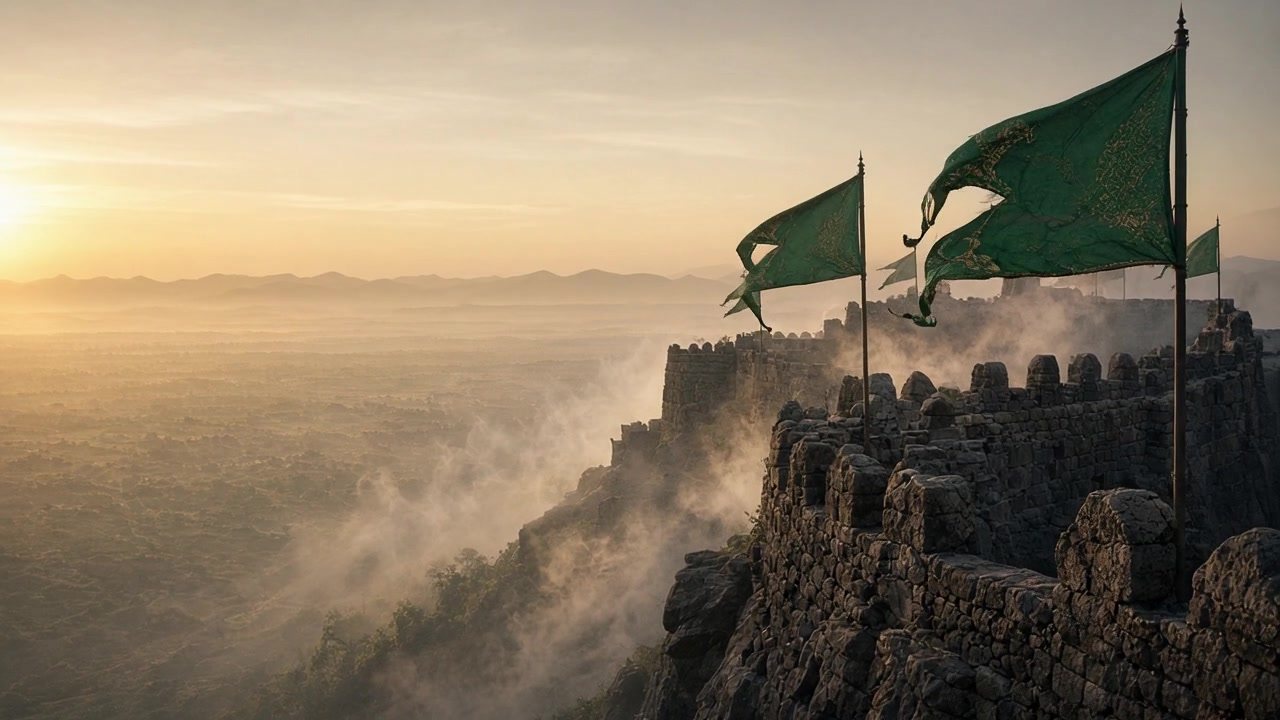
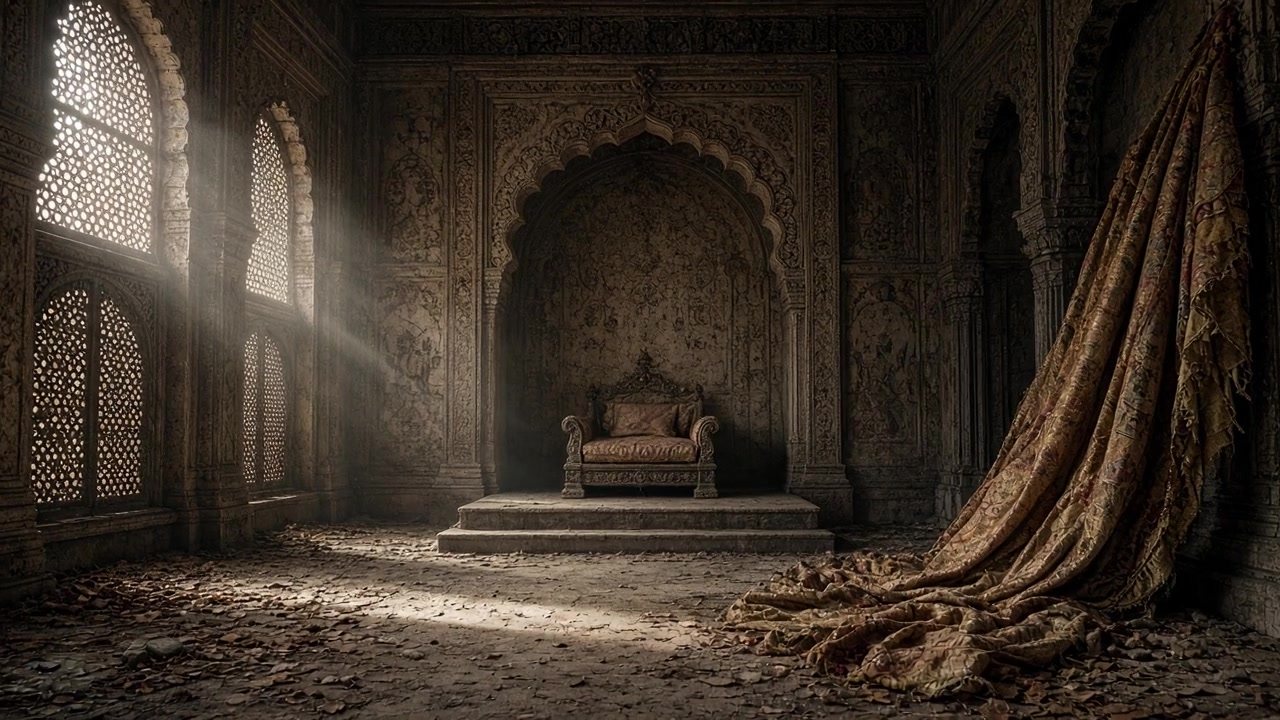
The Mughal army poured in. Tana Shah was led away a prisoner, never to return. The Qutb Shahi dream was over, and Hyderabad became a distant province of an empire ruled from Delhi.
The sultan's loyal ministers, the brothers Madanna and Akkanna, had already been killed in a palace plot the year before. Golconda was alone.
Film time 5:18
Rise of the Nizams
But empires fade. After Aurangzeb died, the Mughal grip on the south slipped.
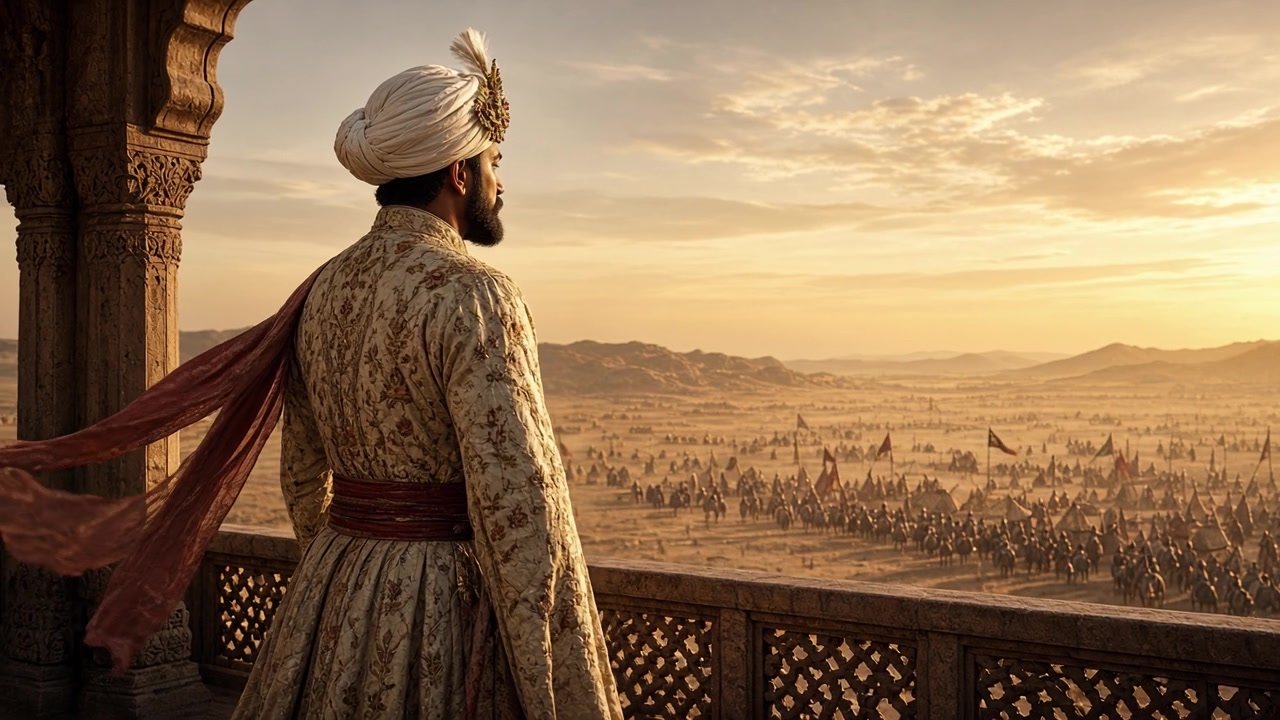
In 1724 a shrewd governor, Mir Qamaruddin Khan, known by his title Nizam ul Mulk, defeated his rivals and made the Deccan his own.
He became the first of the Asaf Jahi Nizams, a dynasty that would rule for more than two hundred years.
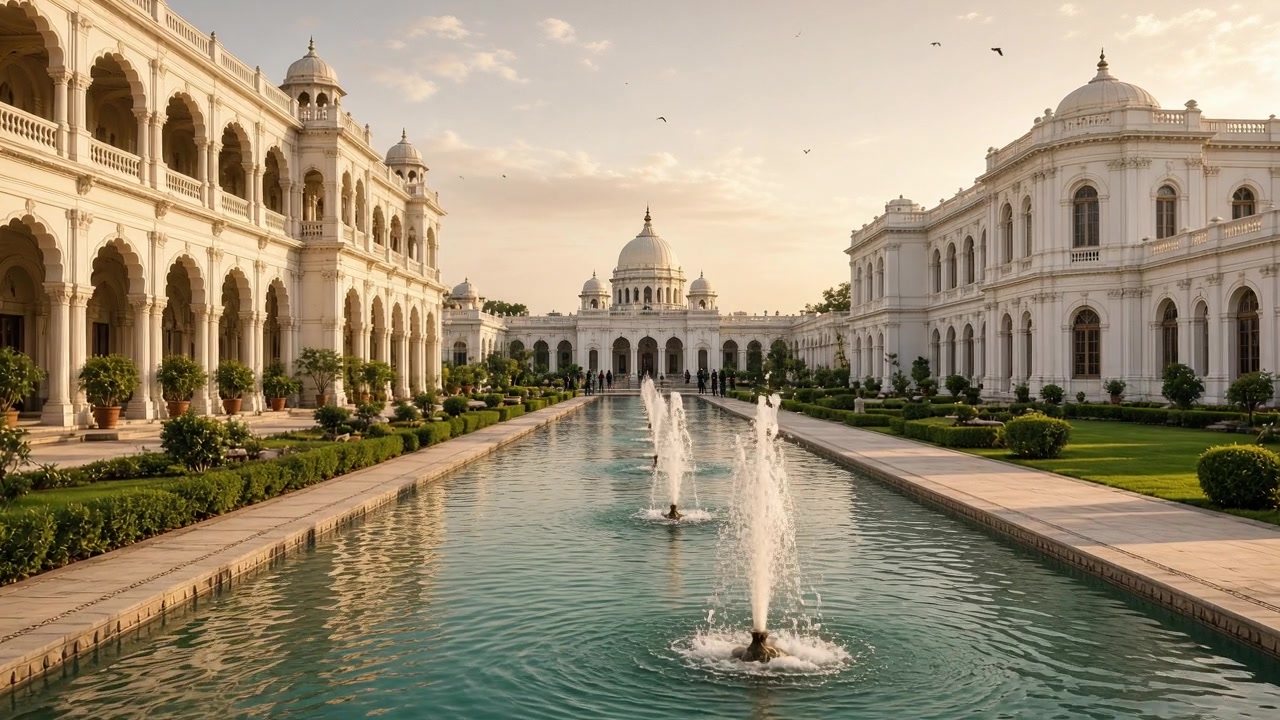
Under his successors, Hyderabad became the capital again, and the Nizams balanced between French, British, Marathas and Mysore with remarkable skill.
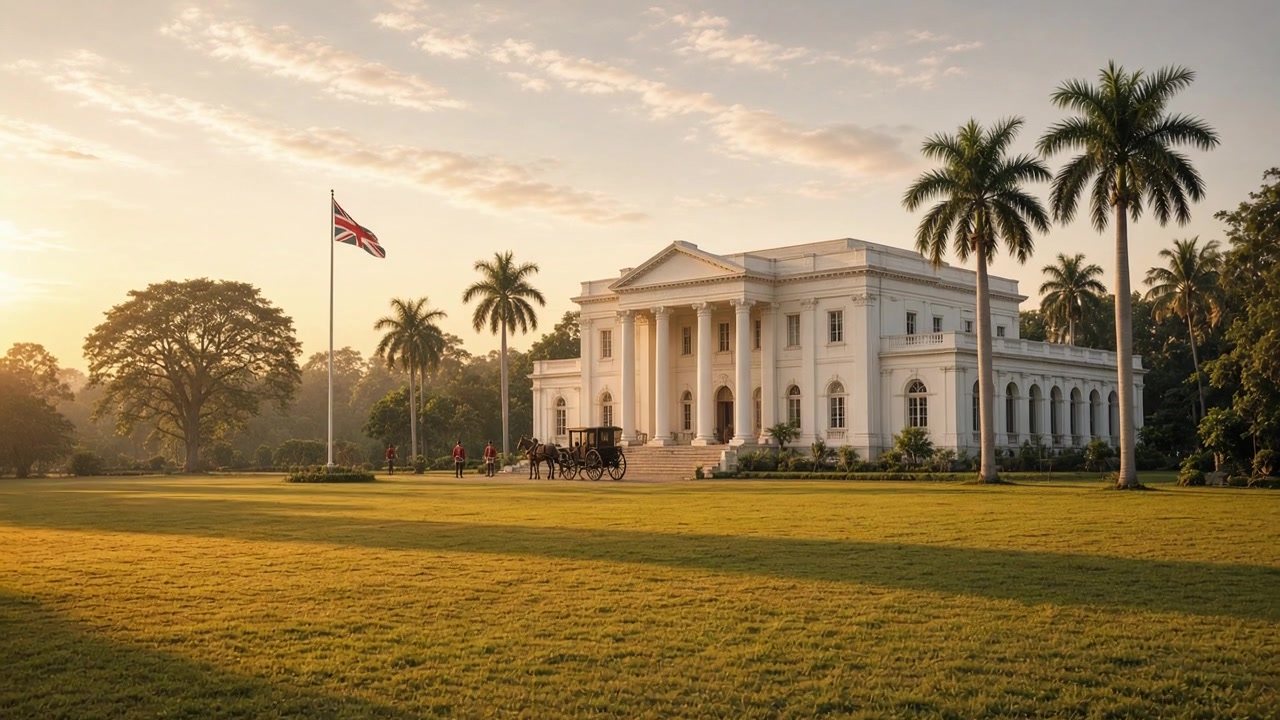
In 1798 they signed an alliance with the British,
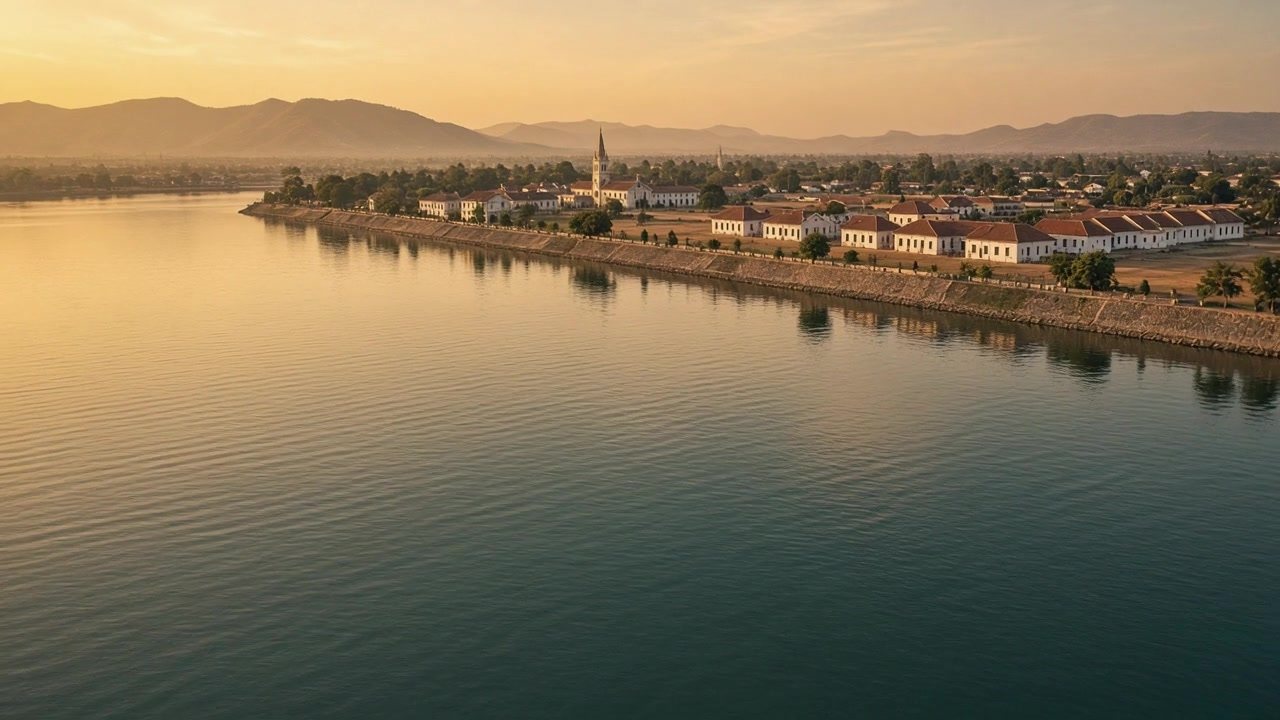
and the cantonment of Secunderabad grew beside the lake. Hyderabad State became the largest princely state in India, with its own coins, its own railway and its own postal stamps.
Chandeliers blazed in Chowmahalla Palace, and durbars glittered with silk, pearls and ceremony.
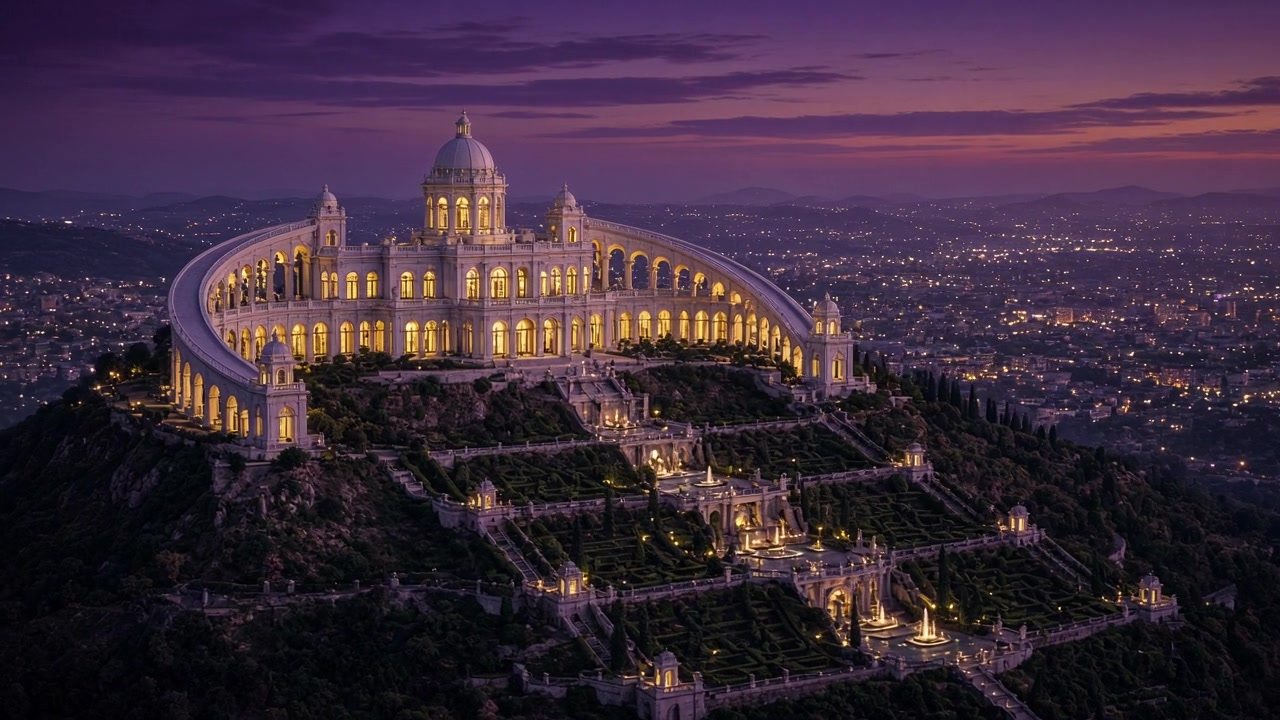
On a hill above the city, a nobleman would later build Falaknuma, the Mirror of the Sky, a palace of Italian marble, Venetian glass
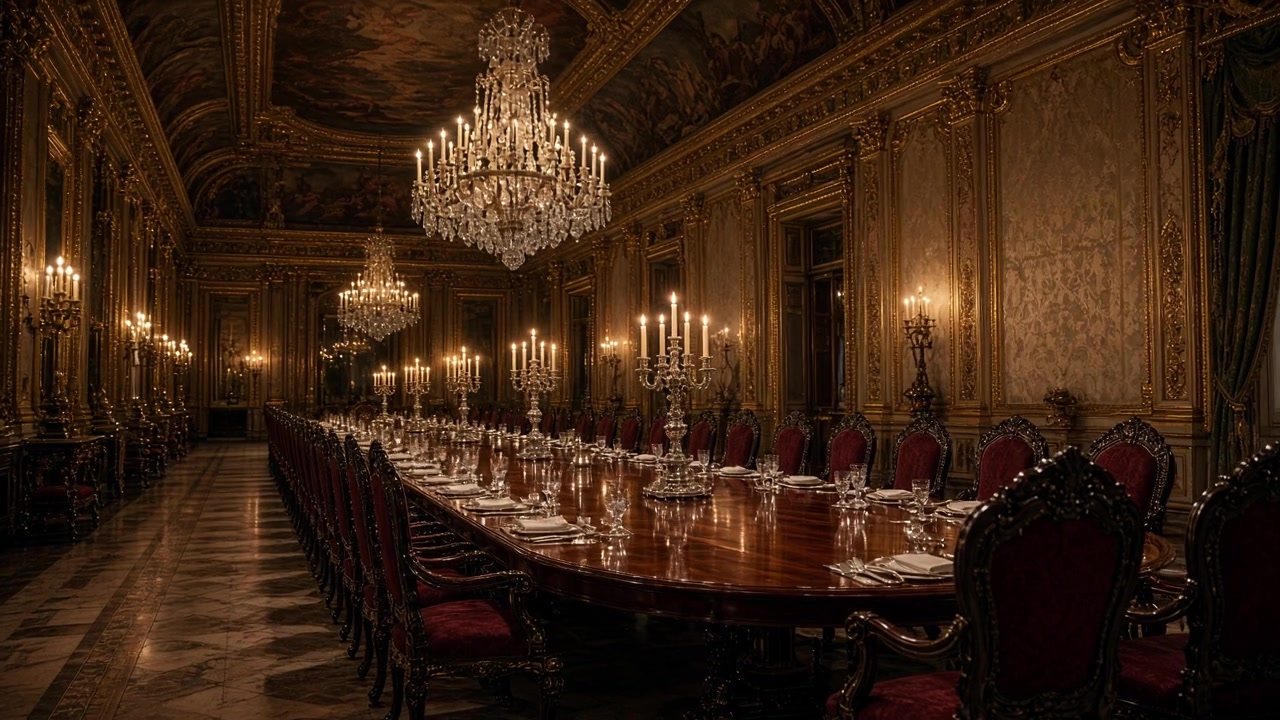
and a dining table that seated a hundred guests.
Film time 6:16
The Reformer: Salar Jung

Behind the splendour, a quiet revolution was under way. In 1853 a young noble named Salar Jung became prime minister, and for thirty years he remade the state.
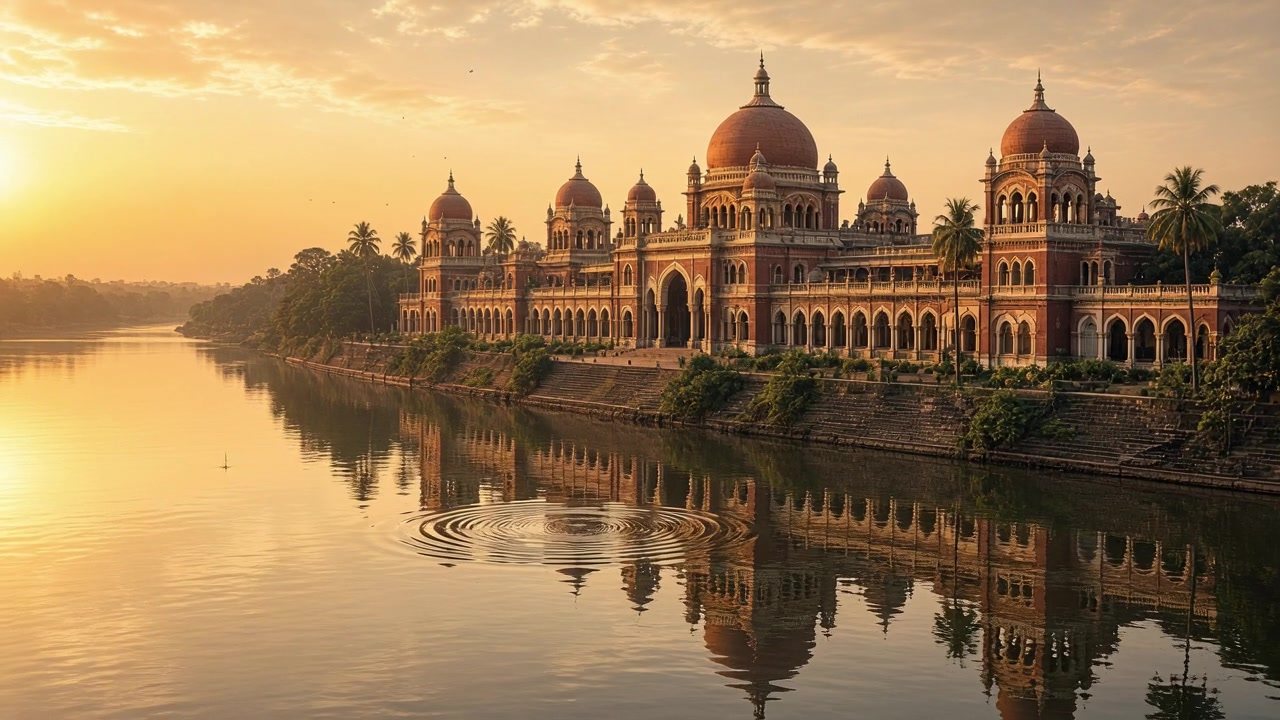
He organised districts and courts, a police force and a treasury, a single currency,
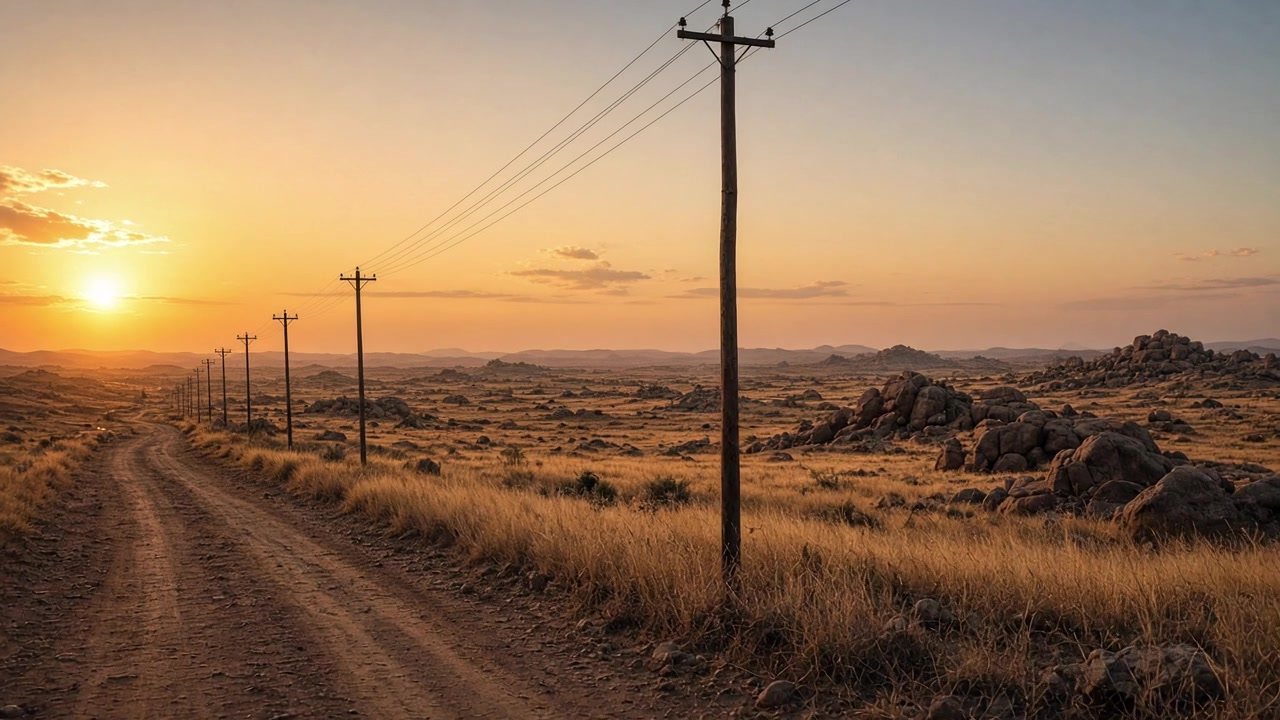
schools and the first railway and telegraph lines.
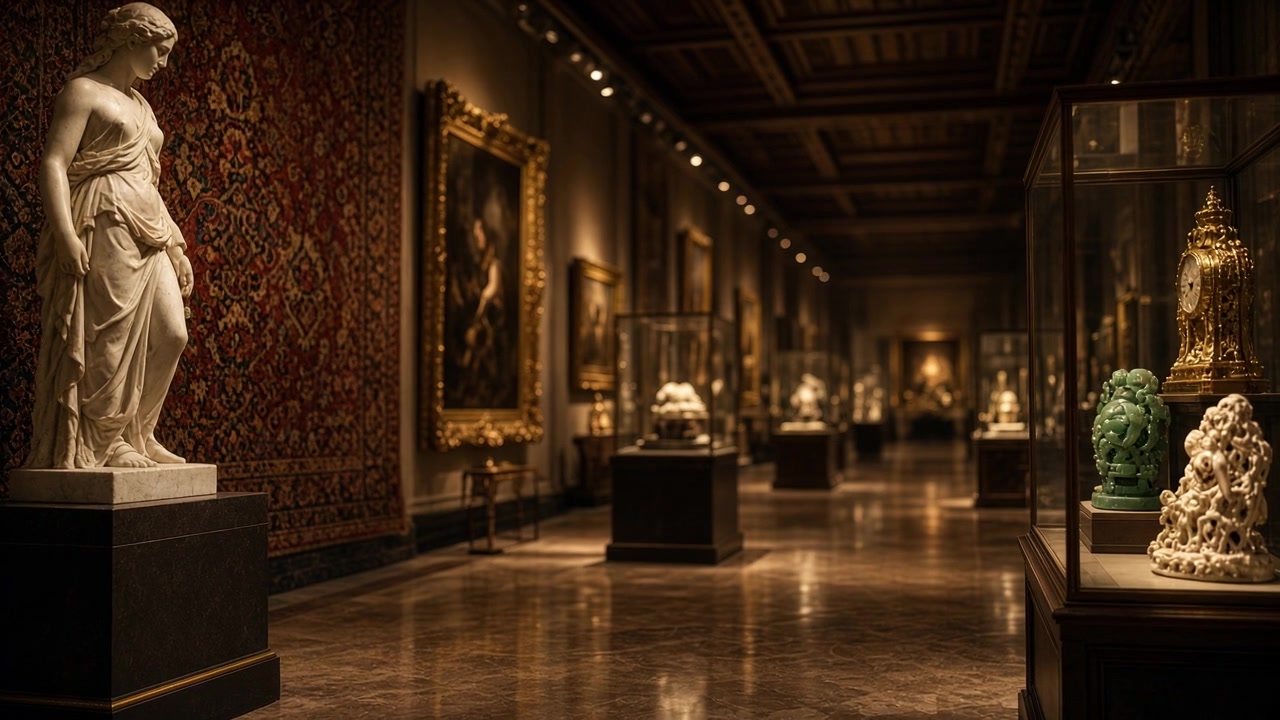
His grandson, Salar Jung the Third, travelled the world collecting art. Today that treasure fills the Salar Jung Museum, one of the great collections of India.

Hyderabad was changing. Telegraph wires hummed, steam engines whistled into the new railway station, and young students filled the first modern colleges.
Film time 6:53
The Great Flood of 1908
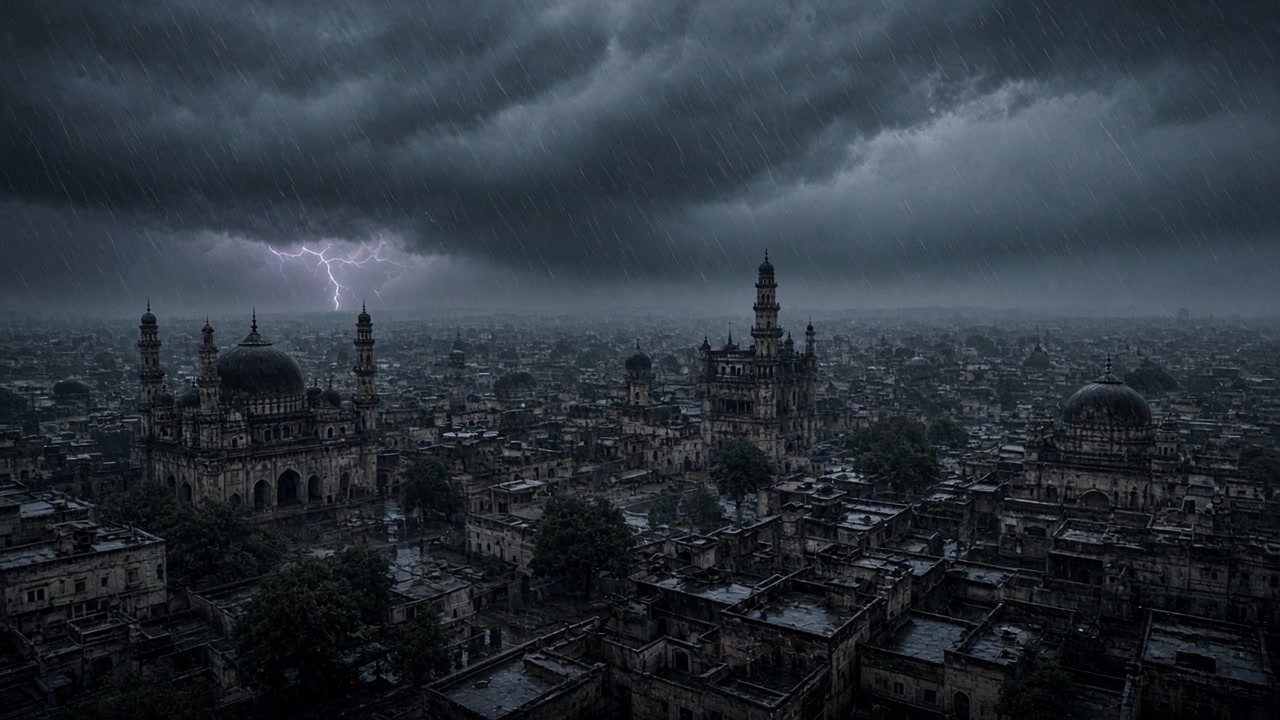
Then came the night the river rose. On the twenty eighth of September 1908, after seventeen inches of rain in thirty six hours, the gentle Musi became a monster.
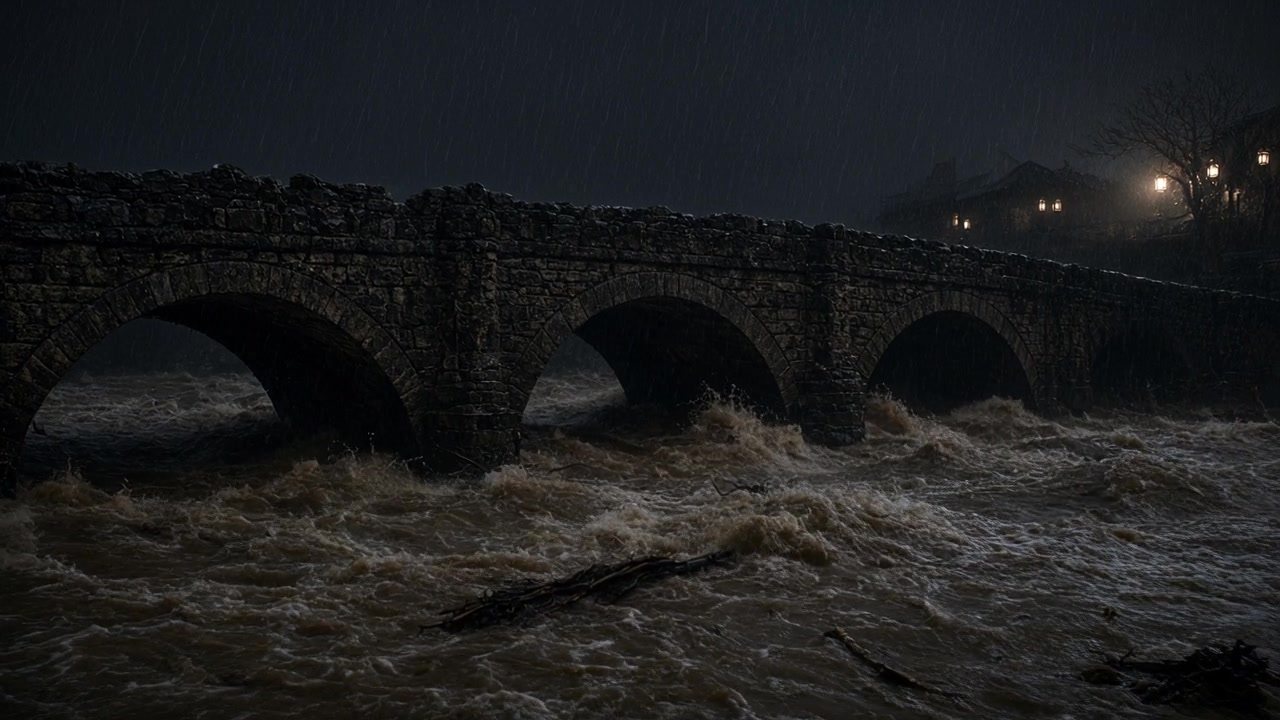
Water tore through the old city. Bridges vanished. Tens of thousands of homes collapsed, and around fifteen thousand people lost their lives.
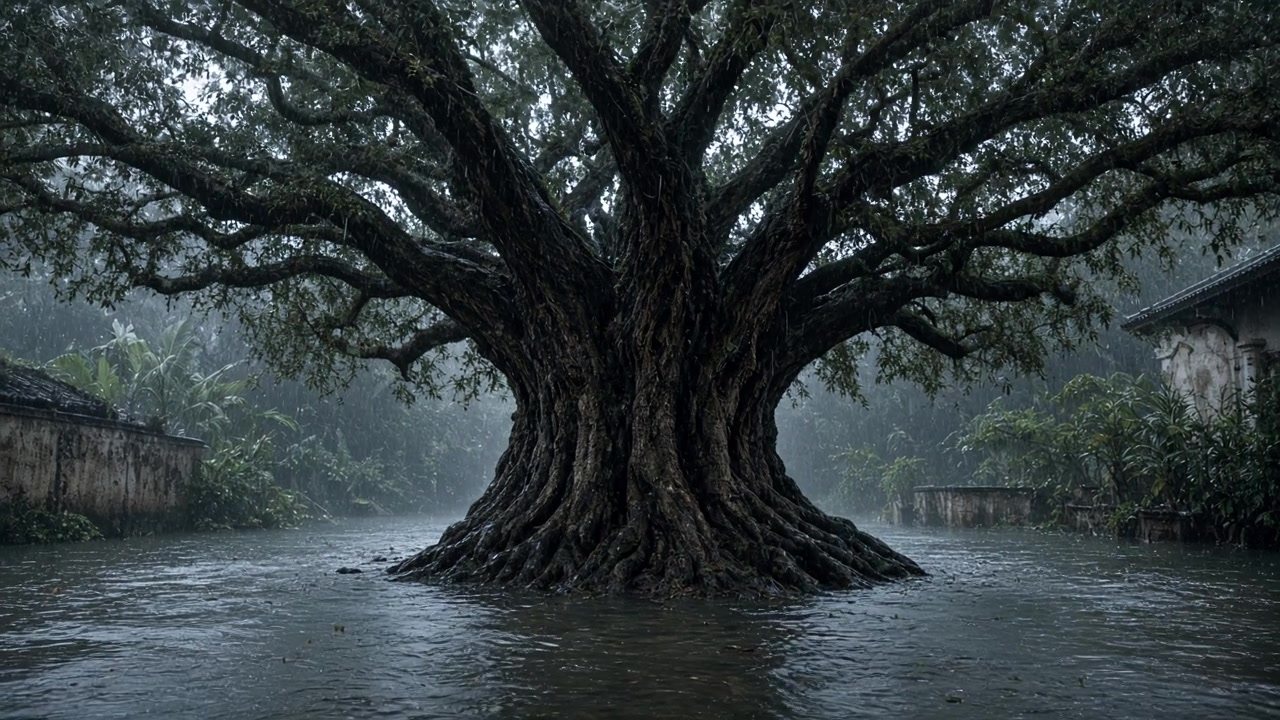
In one hospital garden, about a hundred and fifty people survived by climbing a single tamarind tree, a tree that still stands today.
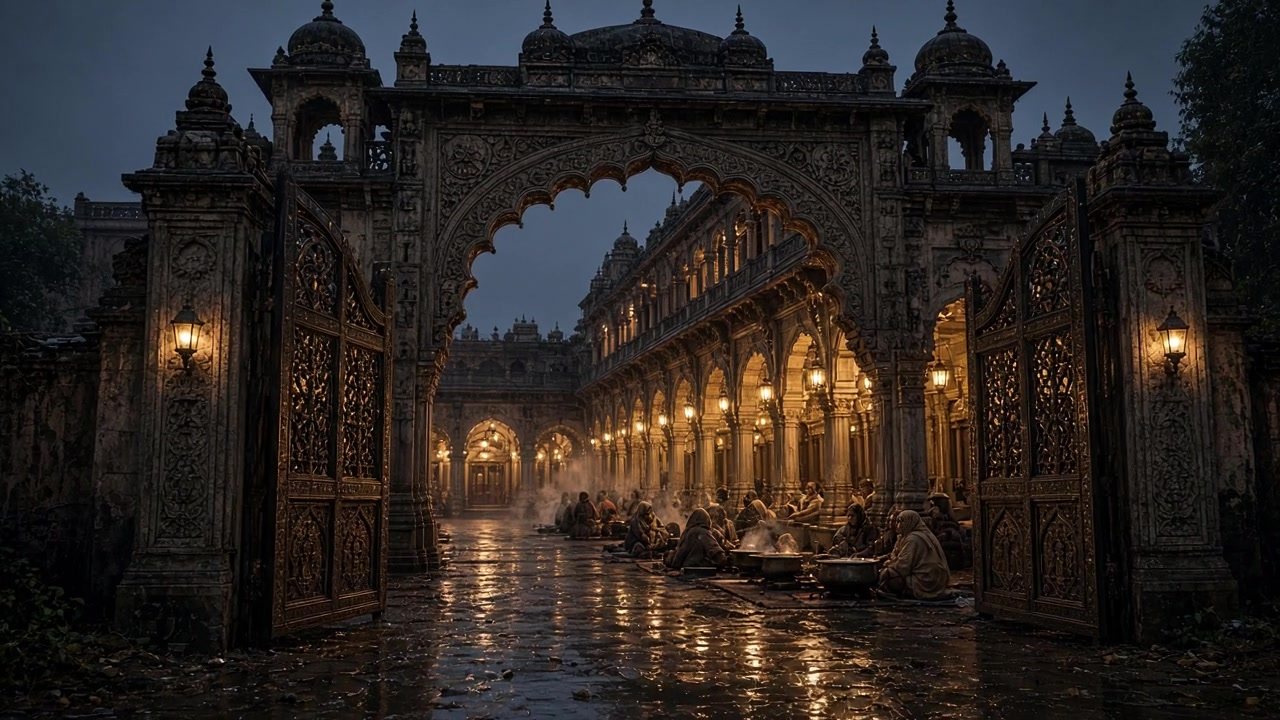
The Nizam opened his palaces to the homeless. And from the grief came a plan.
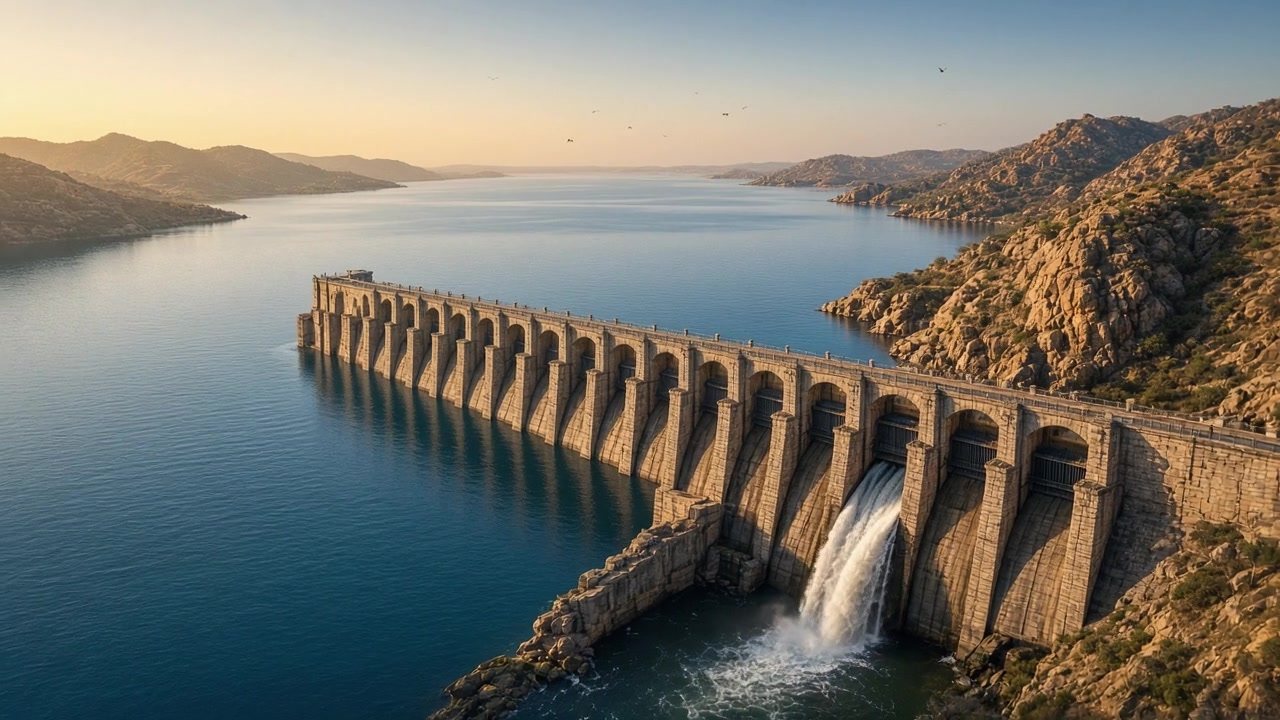
The great engineer Sir M. Visvesvaraya designed two reservoirs upstream, Osman Sagar and Himayat Sagar, to tame the river forever. A new, modern Hyderabad began to rise.
Film time 7:36
The Richest Man in the World
That city was built by the seventh and last Nizam, Mir Osman Ali Khan.
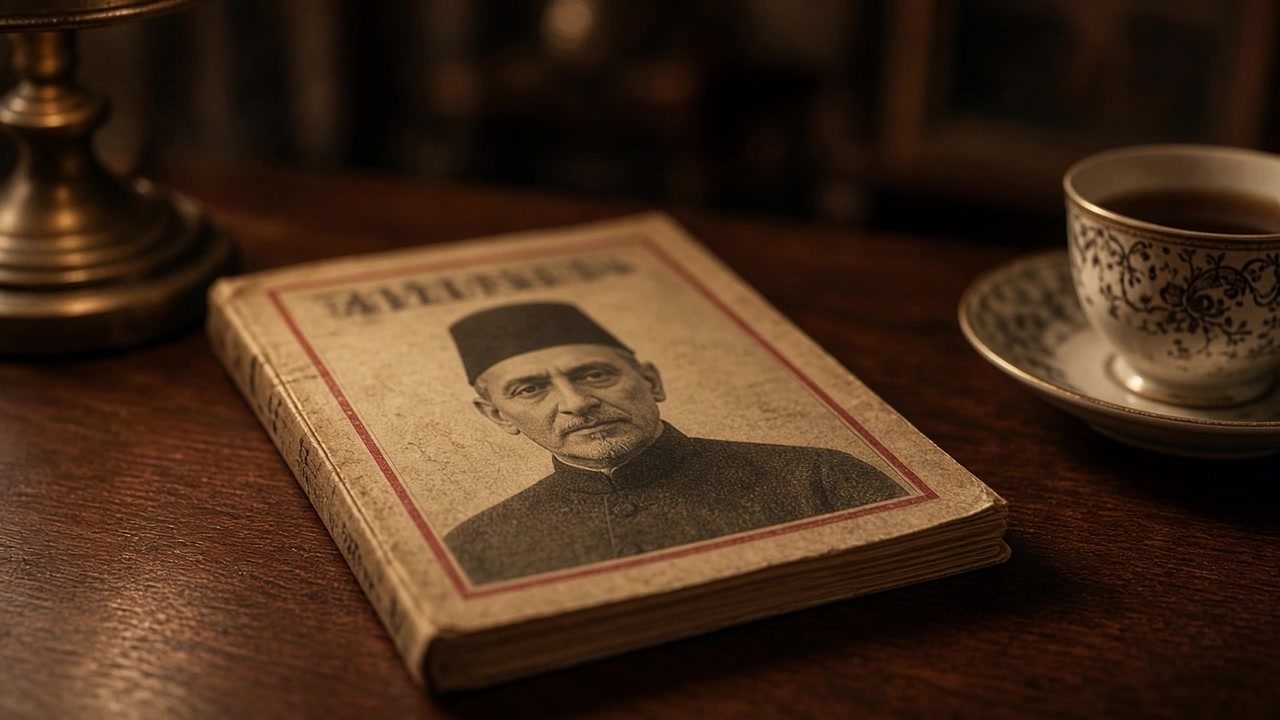
In 1937 TIME magazine put him on its cover and called him the richest man in the world.

Stories of his wealth became legend. Vaults of gold and jewels, and a diamond as big as a hen's egg, the Jacob Diamond, which he is said to have used as a paperweight.
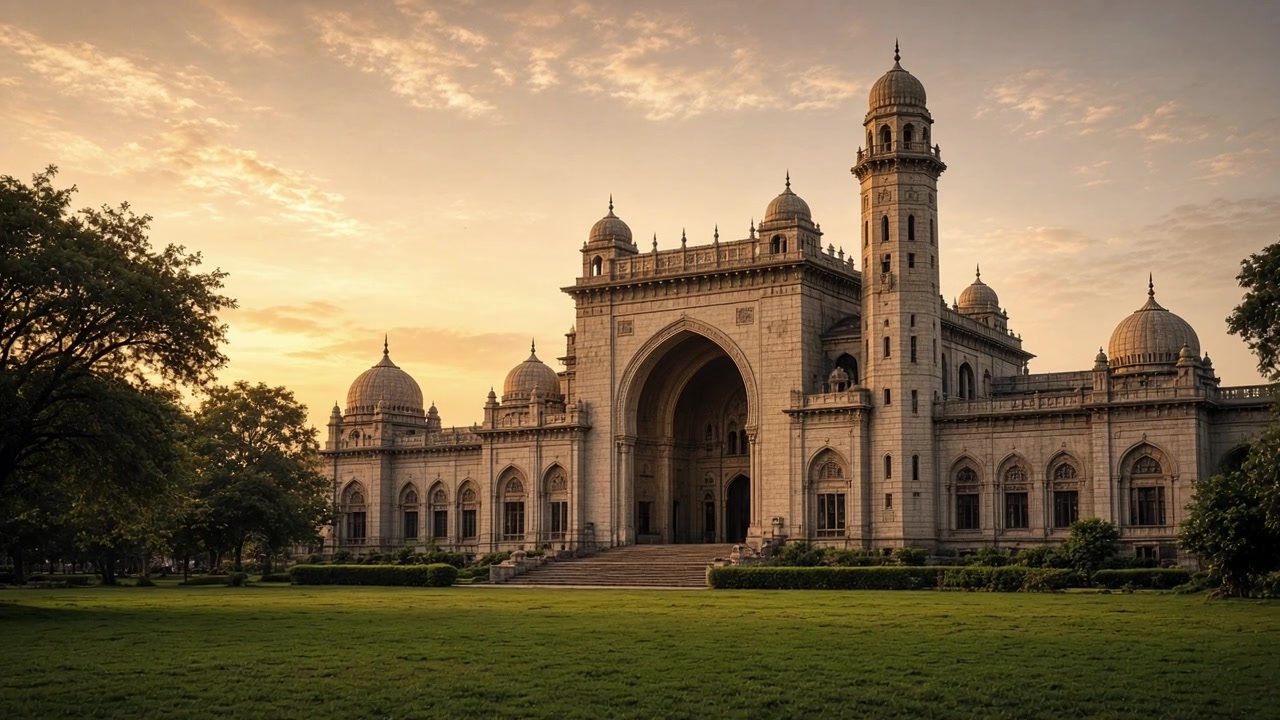
Yet he also built Osmania University, hospitals, a high court, libraries and an airport.
Grand domes and arches rose along the banks of the Musi.
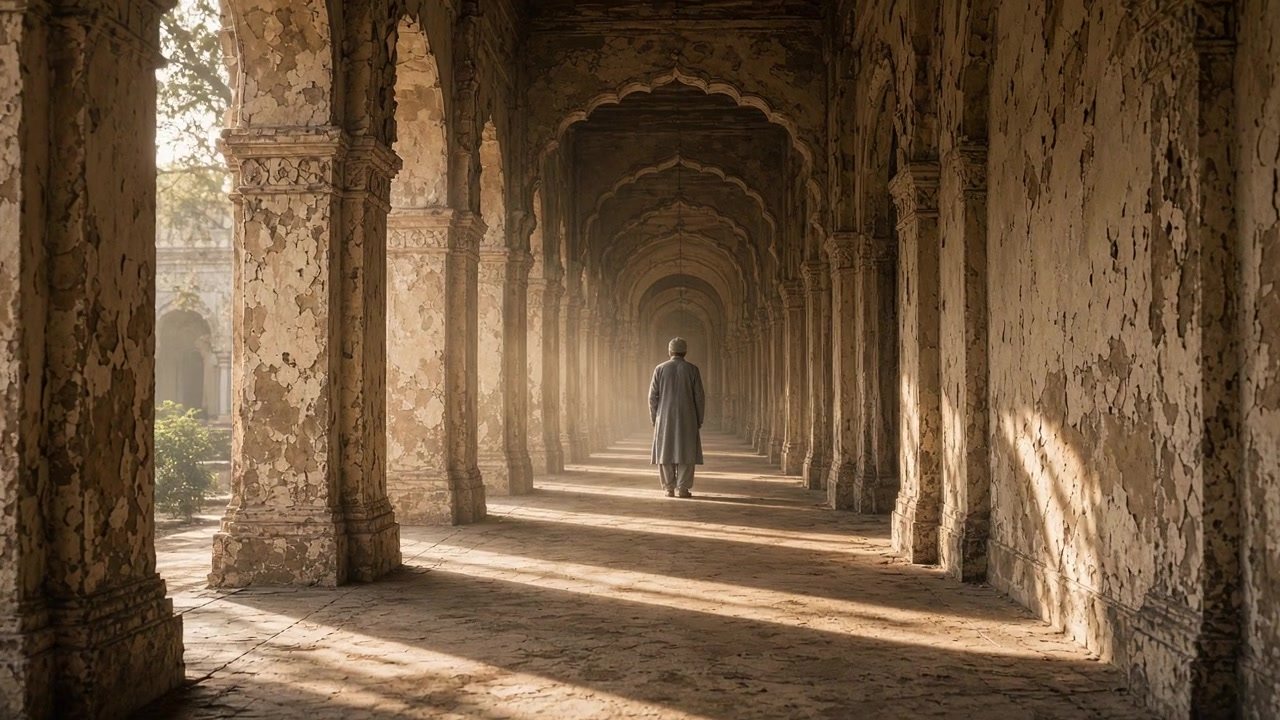
Yet the richest man in the world was famous for his simple habits. He wore old clothes, smoked cheap cigarettes and ate simple meals, while chests of gold and pearls lay in his vaults.
Hyderabad gained a university, a modern water supply and some of its most beautiful public buildings during his long reign.
Film time 8:22
Freedom and a Hard Year, 1948
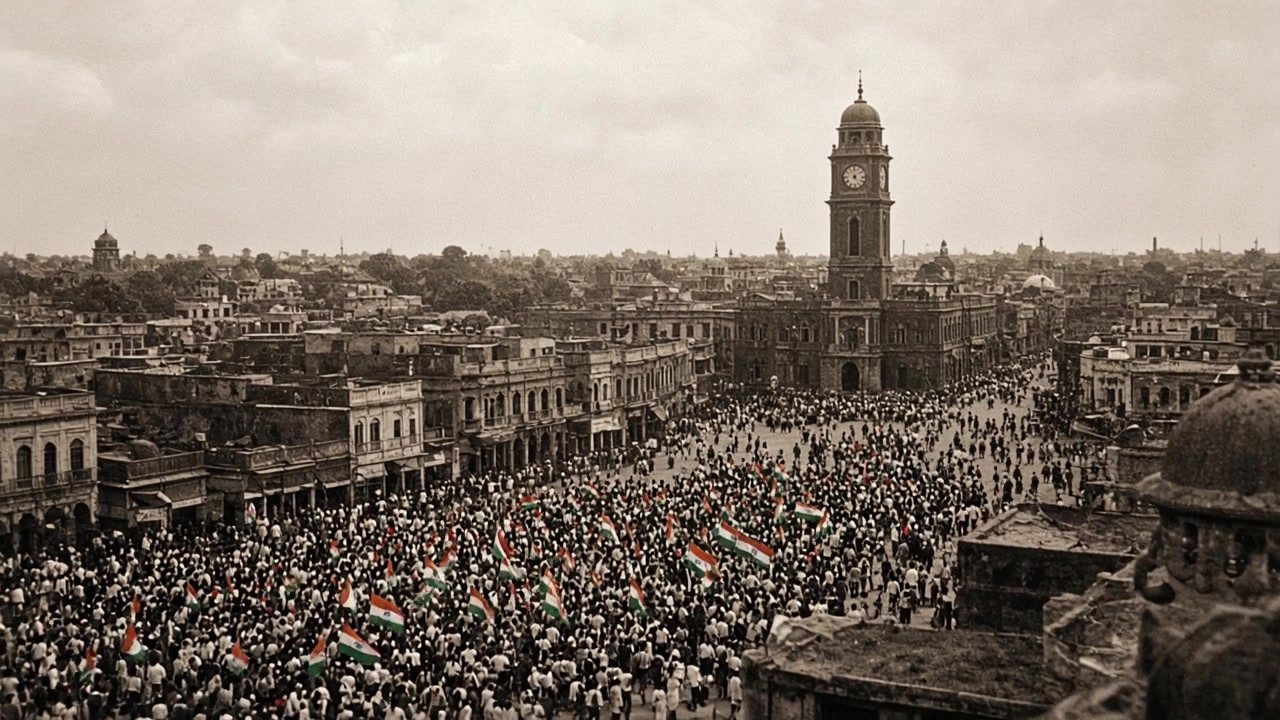
In 1947 India won its independence, but Hyderabad stood apart. The Nizam hoped to remain independent,
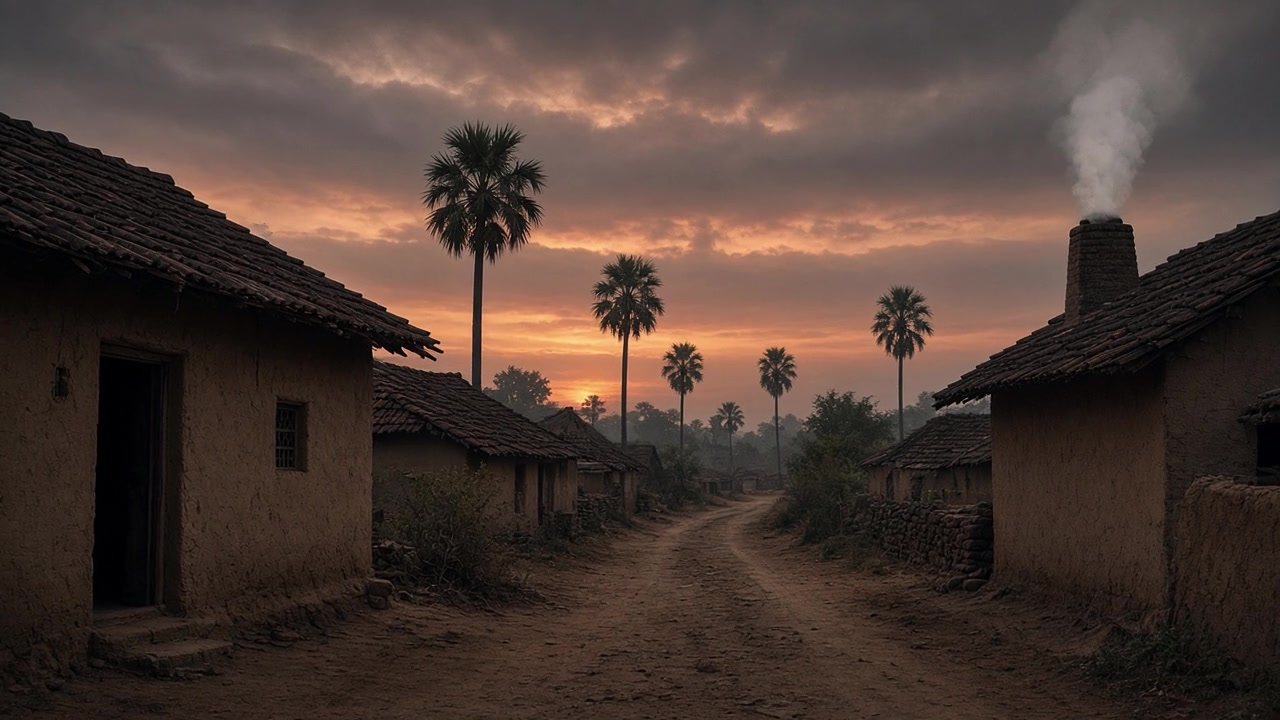
while an armed militia called the Razakars spread fear, and a peasant uprising shook the countryside.
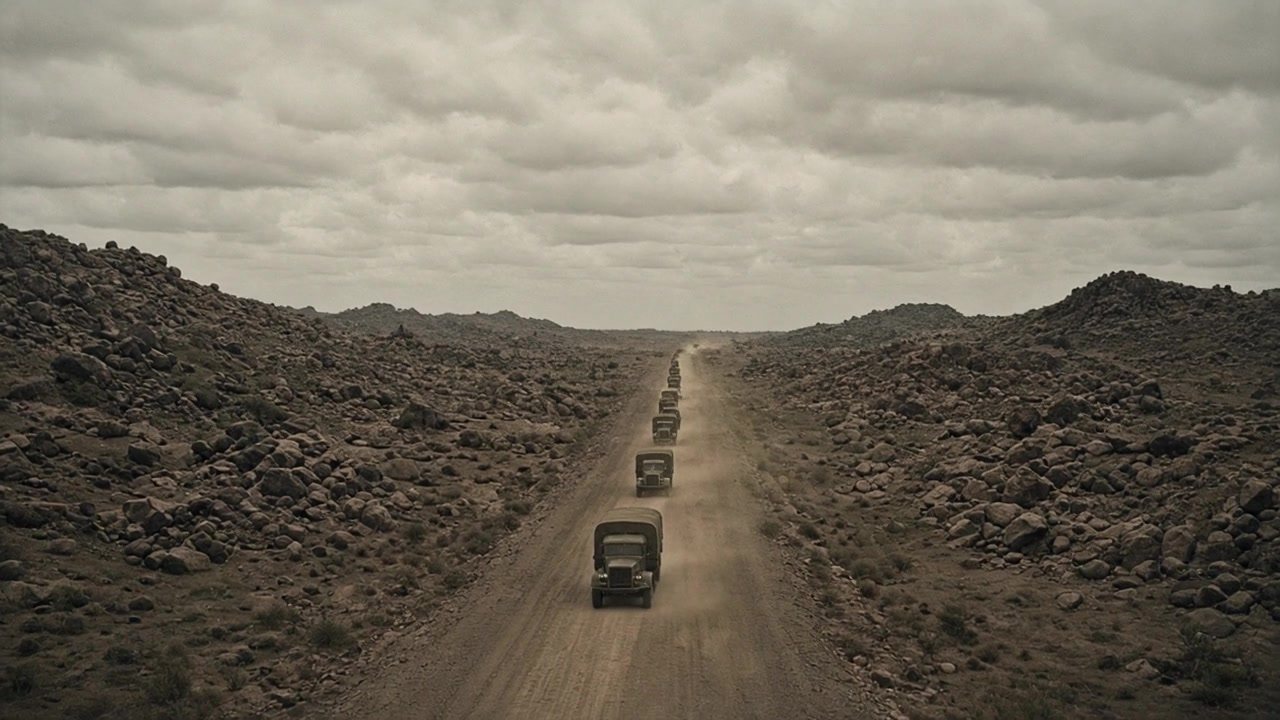
In September 1948, the Indian army moved in, in what was officially called a police action, Operation Polo. Within days the fighting was over and Hyderabad joined India.
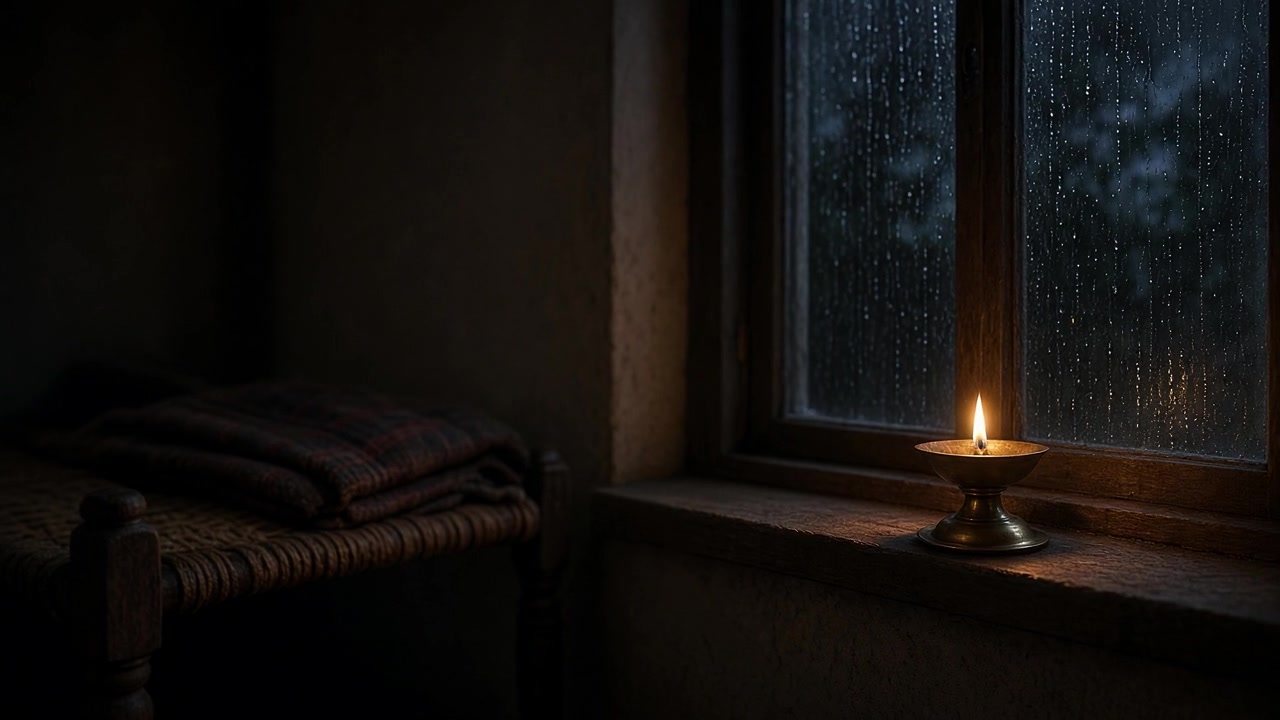
The months around it brought great suffering to ordinary families of every faith. A government committee later estimated that tens of thousands of lives were lost.
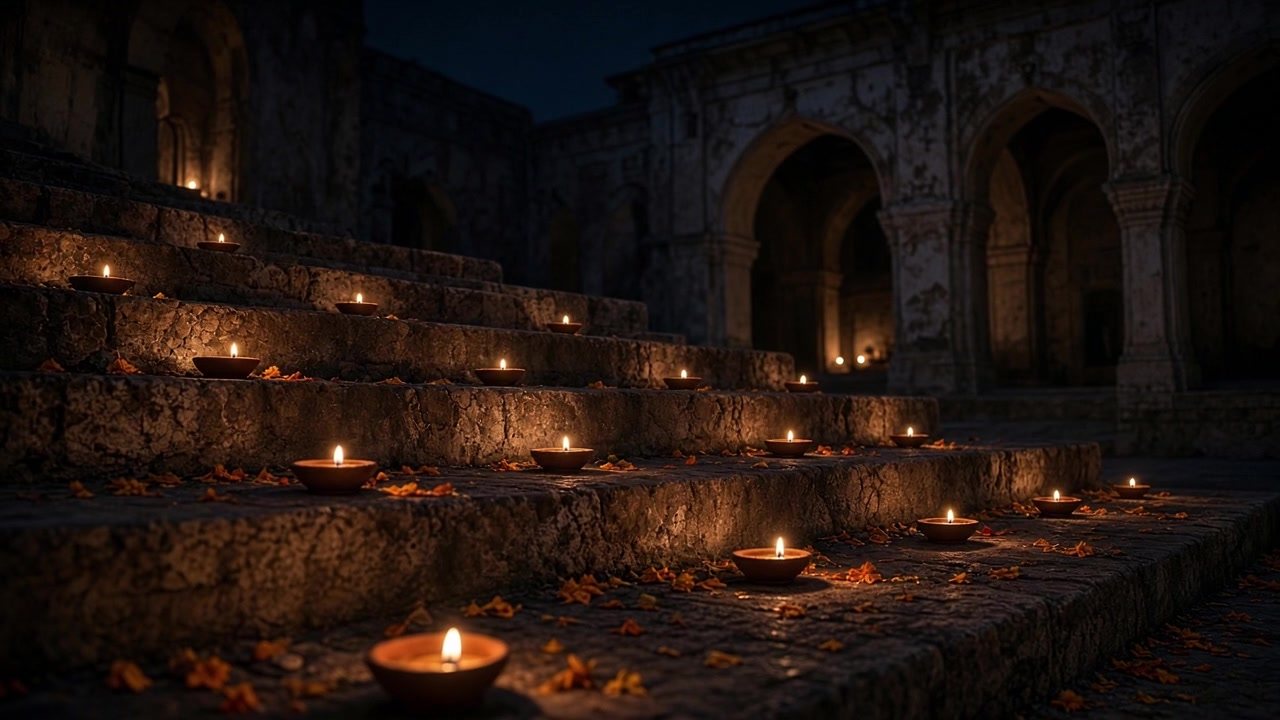
It is a painful chapter, and one the city remembers with sorrow.
Film time 8:59
A Capital Reborn
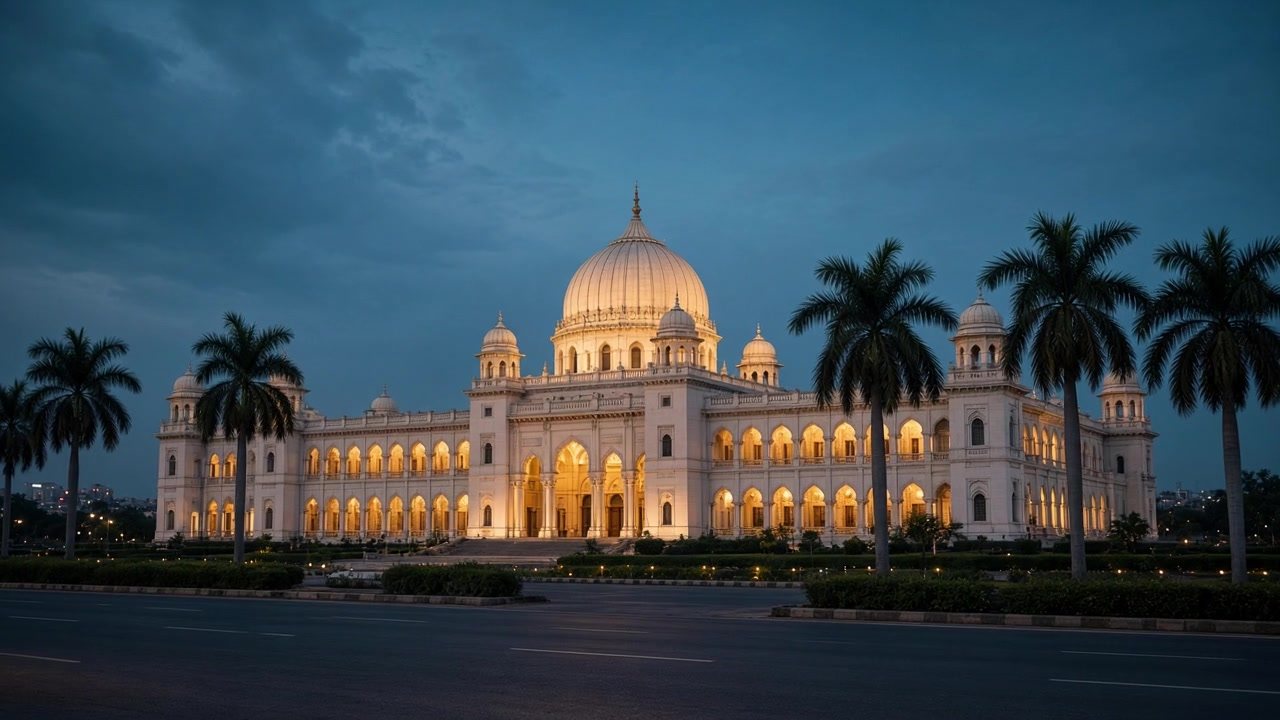
In 1956, India redrew its states along the lines of language, and Hyderabad became the capital of Andhra Pradesh.

Decades of hope and struggle followed for the people of Telangana,
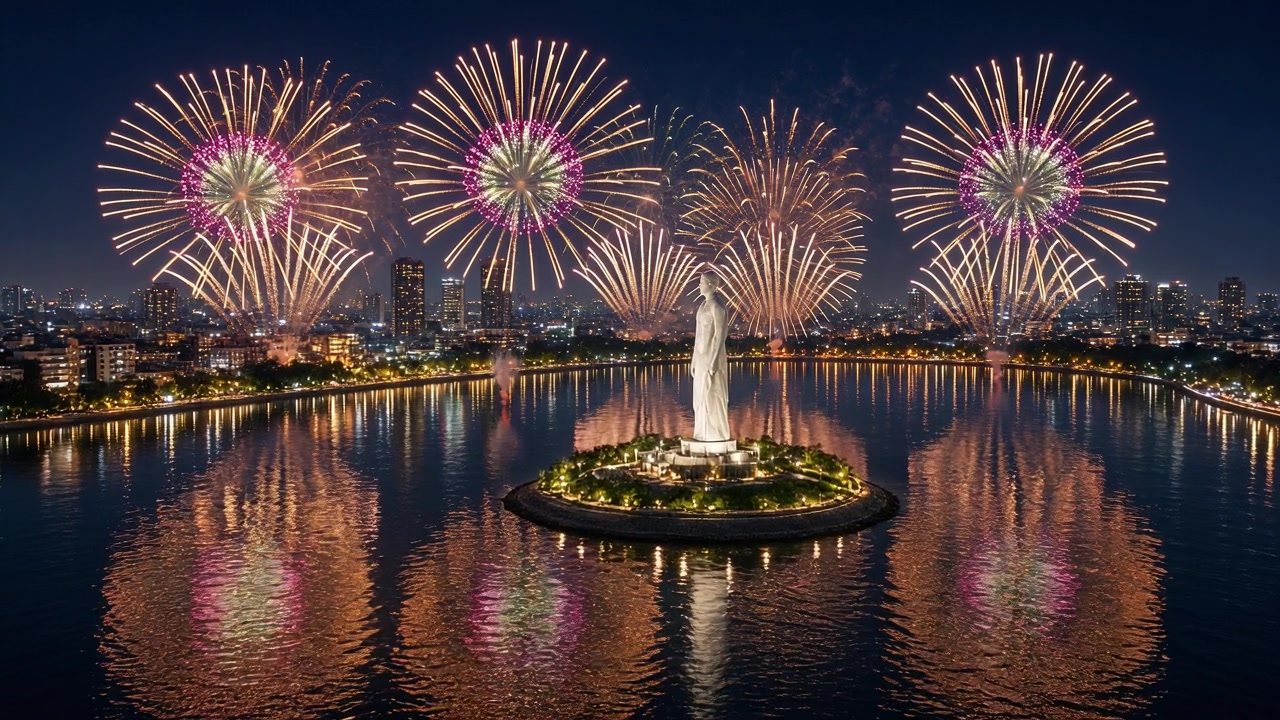
until on the second of June 2014, Telangana became India's newest state, with Hyderabad as its proud capital.
The Nizam's old palaces became museums and heritage hotels,
and the city kept growing, spreading north and west across the rocky hills.
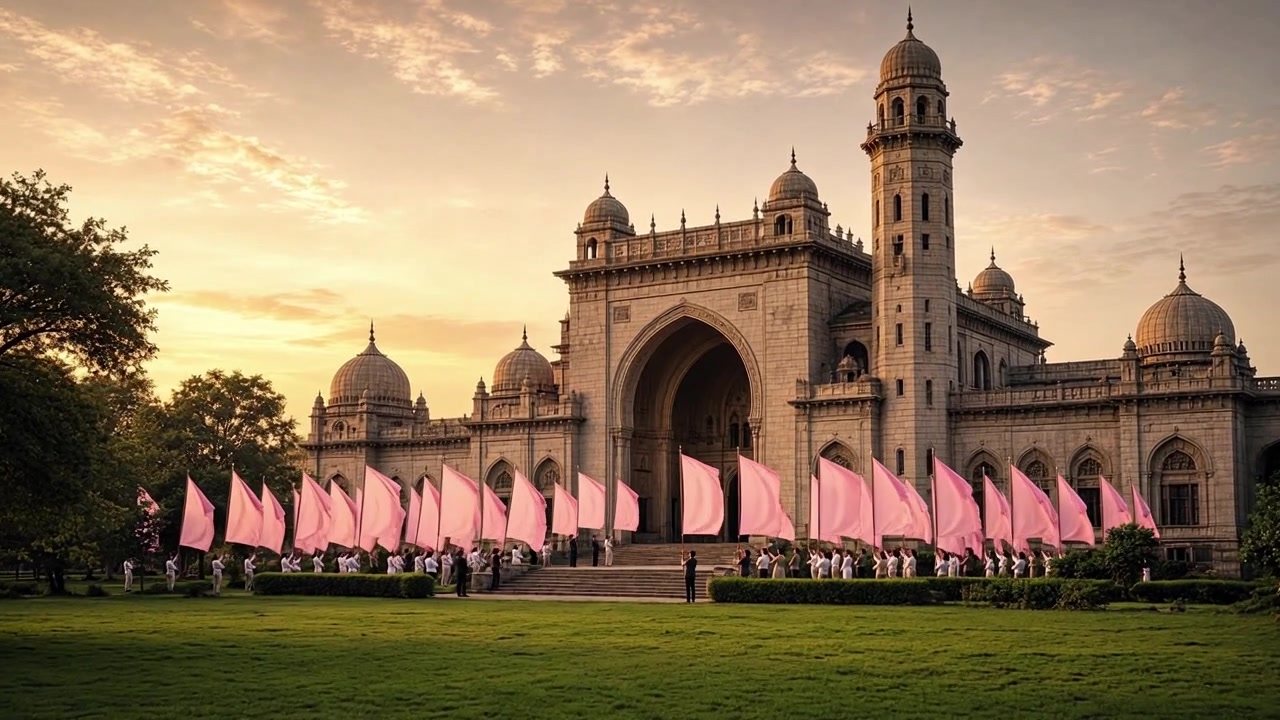
Students marched, poets wrote, and for decades the dream of a separate Telangana never faded.
Film time 9:30
Cyberabad
And then the old city of diamonds found a new treasure. Code.
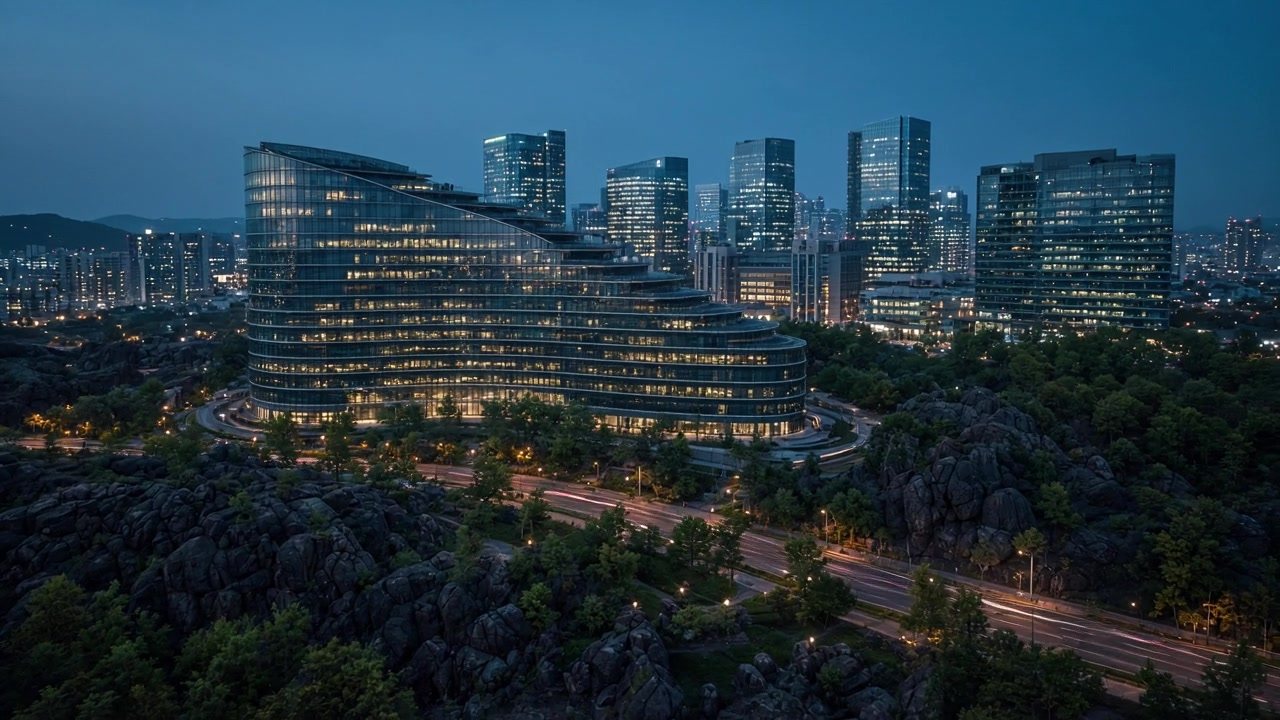
In 1998 a gleaming glass tower opened in the rocky hills to the west, Cyber Towers, the heart of HITEC City.

Global technology giants followed. Today towers of glass rise where shepherds once grazed their flocks, and the city they call Cyberabad hums through the night.

Software companies were joined by pharmaceutical labs and vaccine makers in Genome Valley. A new international airport opened in 2008,

and a metro rail began gliding above the streets in 2017. The city of diamonds had become a city of ideas.
Film time 10:07
Biryani, Bangles and the Soul of the Deccan

But ask anyone what Hyderabad truly means, and they will tell you about the food. Fragrant dum biryani, sealed and slow cooked over coals.
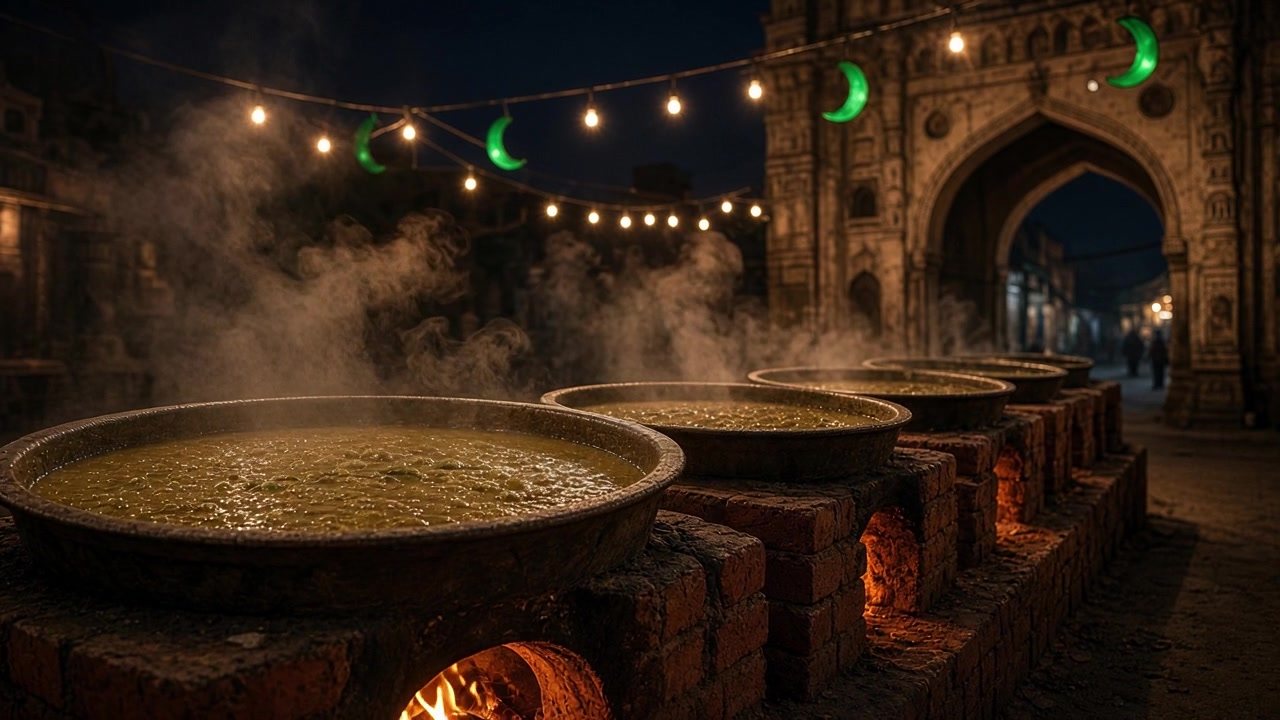
Haleem in the month of Ramzan.

Irani chai and Osmania biscuits at dawn.
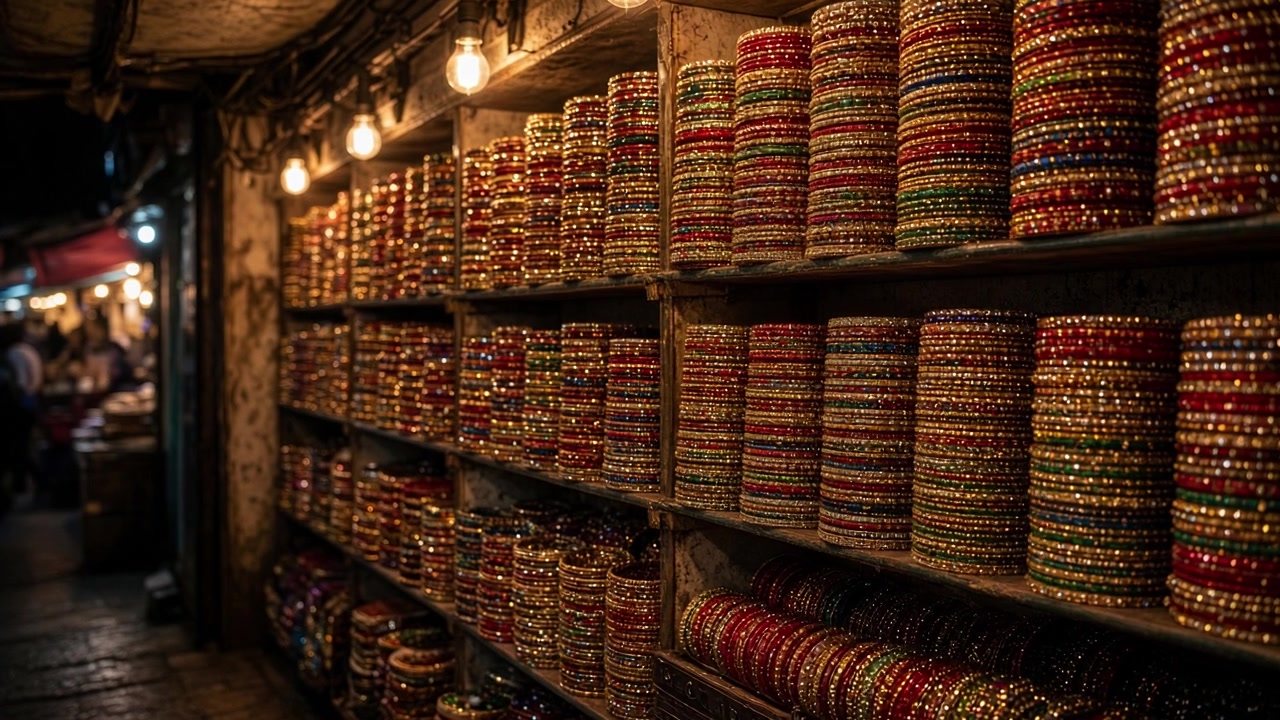
Glass bangles shimmering in Laad Bazaar, and Telugu, Urdu and Dakhni mingling in the same busy lane.
It is a culture of mixing, of welcome, of grace. In the old city, the call to prayer drifts over the Charminar
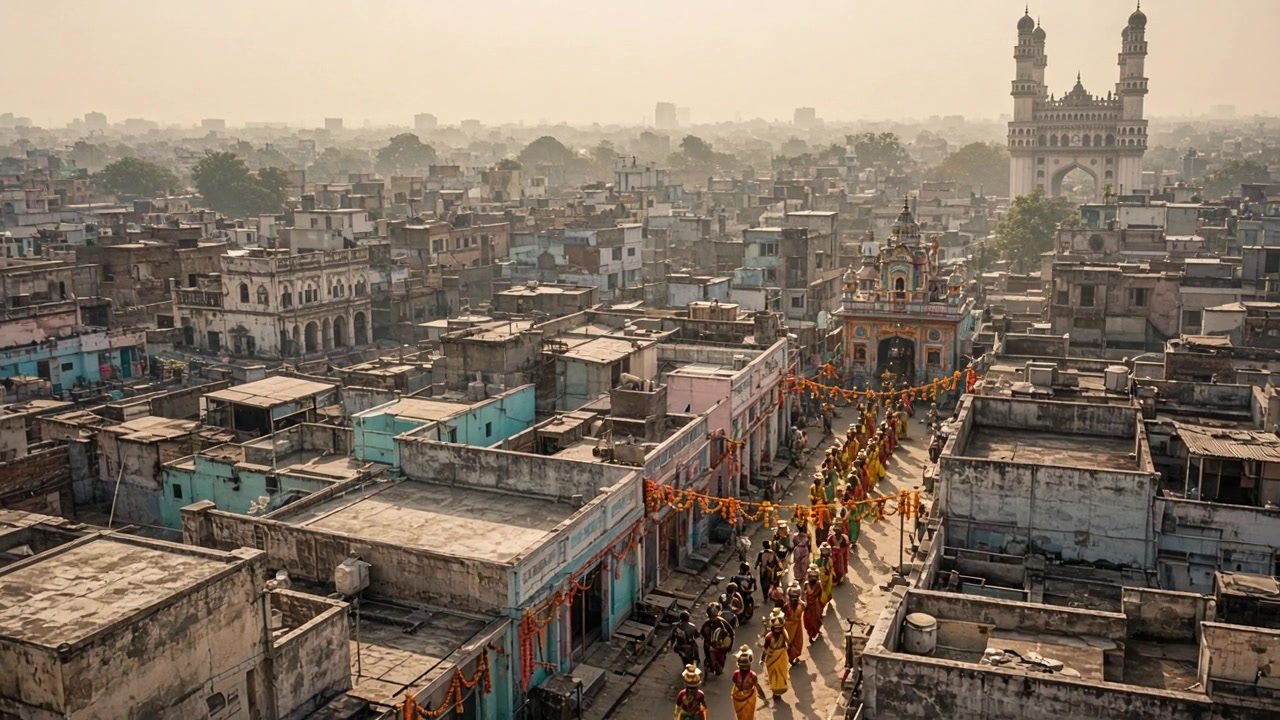
while drums beat for the Bonalu festival, as women in bright saris carry decorated pots to the temples of the goddess.
Pearl sellers still call to passing shoppers, just as they did four hundred years ago.
Film time 10:45
Finale
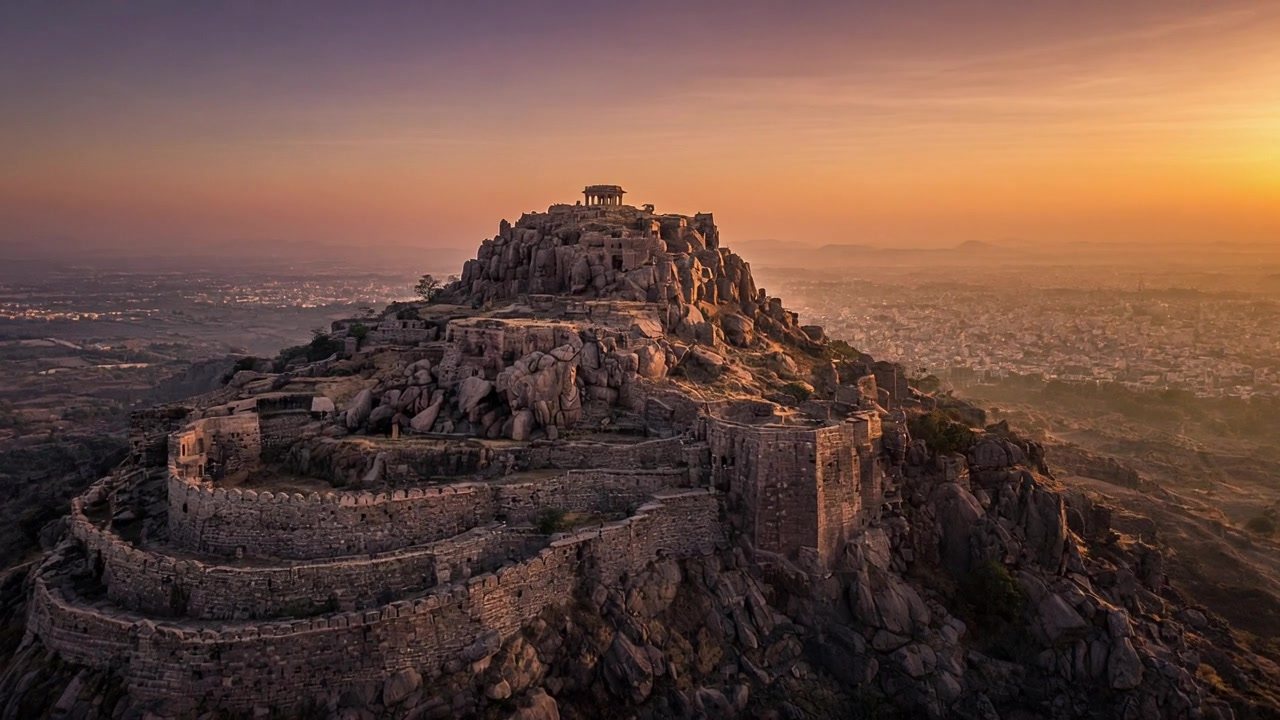
From a shepherd's hill to a city of pearls, from diamond bazaars to data centres, Hyderabad has fallen and risen again and again.
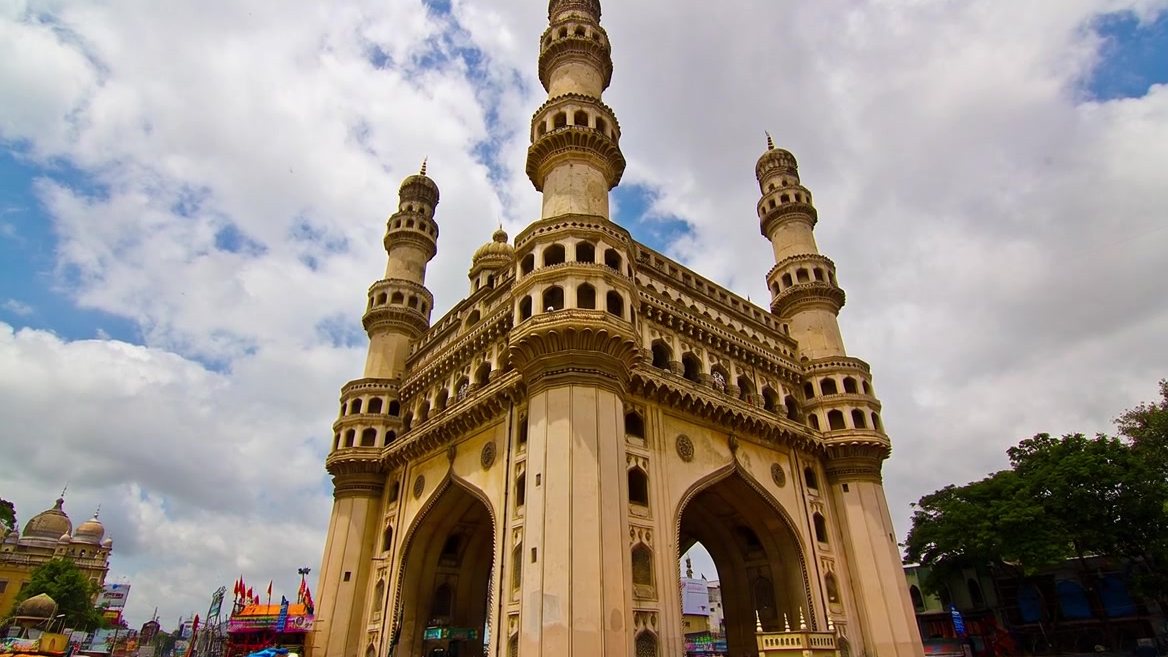
And as the evening light turns the Charminar to gold, it still feels like what it has always been. A city of dreams. Thank you for watching. [End card: Kotha's Movies | Created by Kotha]